Send a Clear Picnic Plan With One Useful Follow-Up
Begin with the actual invitation
A picnic message is easier to answer when it names the real proposed gathering rather than a long list of imagined alternatives. State which details are agreed and which need a response. A tentative location or arrangement should remain visibly tentative until the relevant people have actually confirmed it.
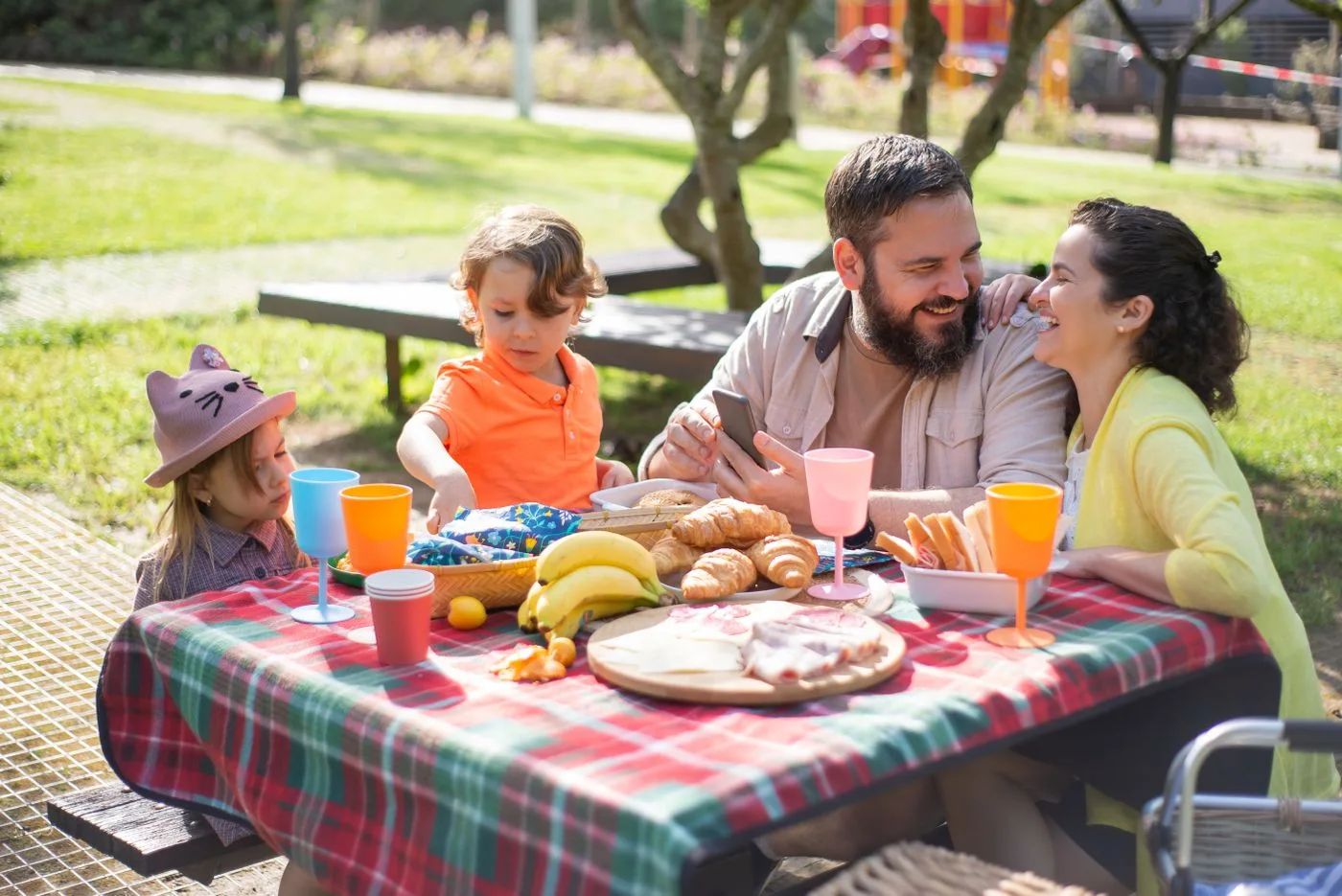
Use current appropriate information for the actual venue where it matters. A photograph of a sunny table cannot establish another location's access, conditions or current rules. The message should preserve what is known rather than invent confidence.
Ask the question that changes the plan
Choose the specific response genuinely needed from each person. A contribution request, attendance question and individual practical need are different conversations. Keep them clear rather than placing several unrelated tasks inside a broad message that asks everyone to bring whatever seems useful.
Do not assume one person's reply represents the whole group. Preserve the real agreement and keep private details proportionate to the gathering. A shared message does not need to expose personal information that has no useful role in the plan.
Keep contributions named and confirmed
If people offer food or equipment, distinguish proposals from actual agreements. A familiar habit is not a current promise. Name the genuine contribution and clarify the relevant serving or product question directly with the responsible person instead of inferring it from a general label.
Keep accurate information available for specific food or individual requirements. A short invitation should not make unsupported assurances or treat an attractive menu idea as proof that every planned item suits the actual guests.
Choose one useful follow-up
When a relevant detail changes, send a clear update identifying that difference rather than repeating the full invitation with several altered assumptions. Keep the current version easy to recognise so another participant does not rely on an earlier plan that no longer describes the gathering.
If no real change has occurred, another message may add little value. The aim is an understood plan, not a stream of reminders that makes the actual question harder to identify.
Close borrowed-item responsibilities
Keep the real ownership and appropriate return of contributed equipment clear. A container arriving with food does not automatically become part of the host's permanent kit. Agree the return and preserve relevant product information where care or suitability needs it.
What if a contribution remains uncertain? Plan from confirmed details instead of presenting it as settled. What if the gathering changes or is no longer suitable? Discuss the actual alternatives through current information. A considered picnic message connects real agreements with one useful update and an understandable return, without treating an imagined ideal scene as a commitment everyone must fulfil.
After the gathering, remove obsolete active reminders and retain only information with a genuine continuing role. The next outing deserves its own relevant conversation rather than an unexamined copy of the previous plan.
Related reading
A Picnic Kit That Does Not Take Over the Car, Pack a Picnic Cleanup Kit Before You Leave.