Let a Purple Chair Be the One Retained Accent
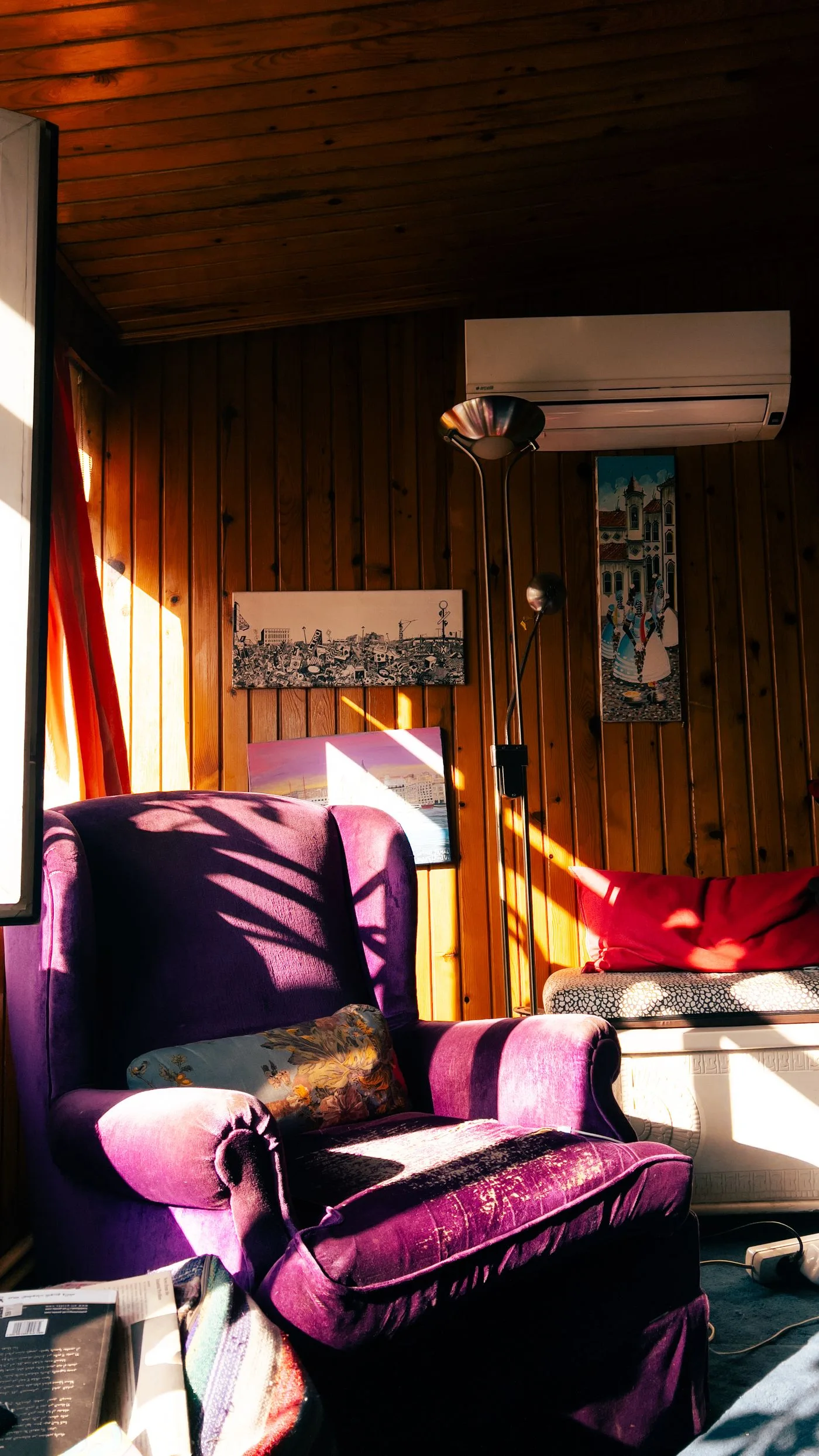
Let the chair be a deliberate accent
A purple chair can provide a clear point of color in a quieter room without every surrounding object needing to repeat it. Begin with the actual retained chair and the room's larger surfaces. Decide whether the contrast is personally enjoyed before treating the color as a problem requiring new accessories.
Keep upholstery identity and care tied to reliable product information. A sunlit interior photograph can show an accent without establishing material, durability or an exact shade in another room. The visual preference belongs alongside the actual furniture's requirements and the person using it.
Choose the chair’s useful role
Decide whether it serves reading, conversation or another appropriate activity. Keep the actual seat's suitability and personal needs central rather than choosing its position solely for maximum color visibility. A decorative accent still needs an honest role if it occupies useful floor space.
Our retained reading-corner guide begins with the actual seat. The purple chair can support that modest arrangement without requiring a complete new corner built around a product photograph.
Compare the retained neutral surfaces
Look at walls, flooring and nearby furniture from the ordinary occupied view. A quiet background can let the chair remain prominent, while a small retained detail may provide another connection. There is no universal ratio of accent color that every room needs to follow. Include the ordinary side surface if it serves the chair, so the comparison reflects a real seated arrangement rather than an isolated colorful object against a wall.
The usable sofa guide keeps the neighboring seating practical. Do not add purple cushions to every seat merely to explain the chair's presence if those objects reduce ordinary comfort or useful space.
Keep light in the comparison
Observe the chair during the hours the room is used and with its actual lighting. The visible color may differ from the close sample or bright daytime image that first inspired the choice. Keep those observations factual and personal rather than claiming one shade creates the same mood for everyone.
Follow the furniture's exposure and care requirements where relevant. A decorative preference should not move the chair into an unsuitable position simply because the light makes its color more dramatic.
Stop when the accent is enough
Use the room normally and notice whether the chair remains enjoyable and its role clear. A considered result may be one retained colorful piece among varied quiet elements. More matching objects are not automatically a better way to make the room feel complete.
What if the purple feels too prominent? Compare suitable retained positions or the surrounding object group before replacing or altering the chair. What if the contrast is exactly what is wanted? Leave it deliberate. A useful accent chair can remain visually different while supporting the room's real activity, without turning its color into a compulsory theme for the whole home.