Write Before-and-After Notes for One Room Corner
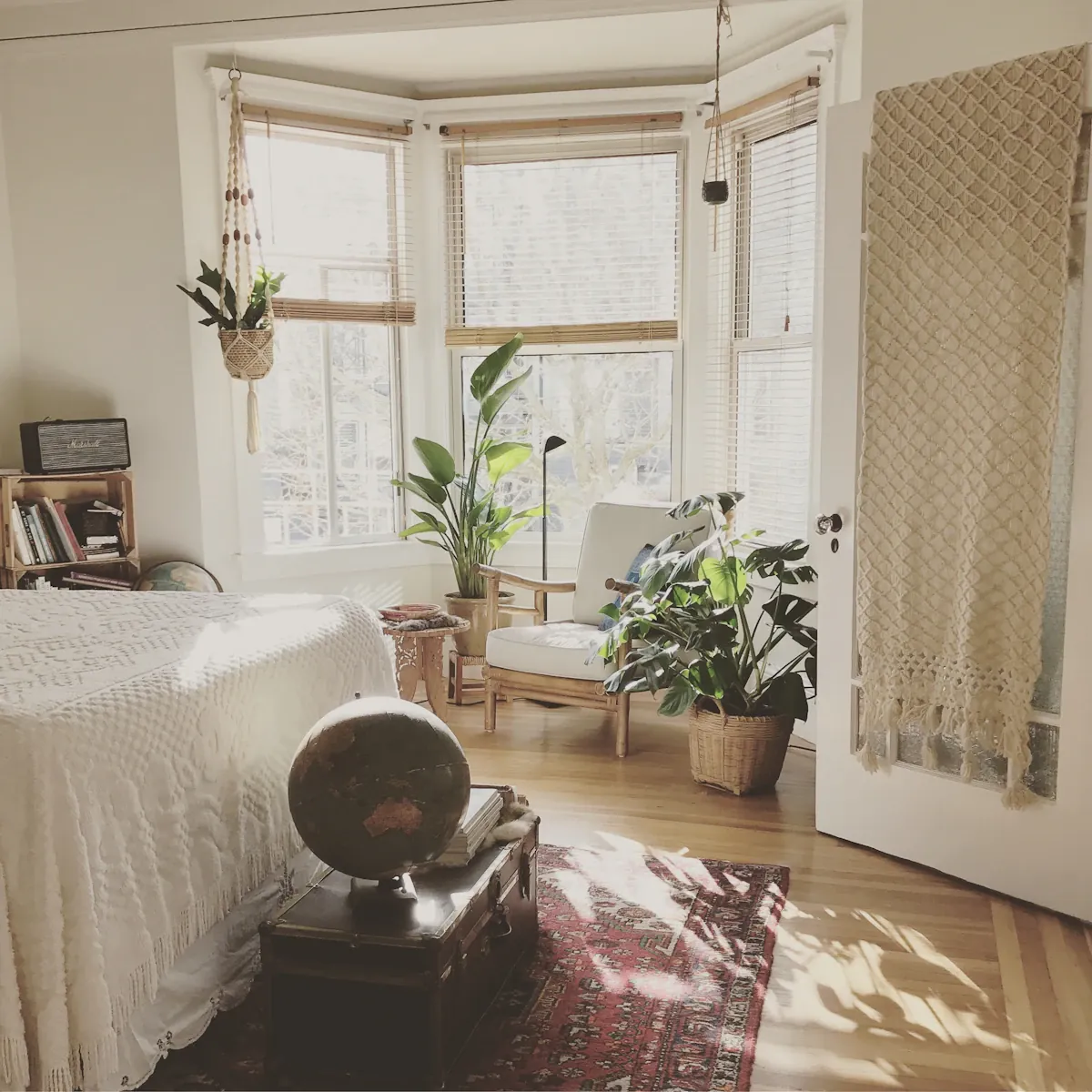
Name the real corner question
A before-and-after note is useful when it explains one actual change rather than claims a whole room has been transformed. Begin with the retained furniture and ordinary task in the corner. Name what was unclear or cumbersome before the change and keep the question specific enough to review afterward.
The purpose is an honest household reference, not proof of a measured outcome or an obligation to create a dramatic visual contrast. A modest useful adjustment can be a complete result.
Record what actually stayed
List the prominent retained objects and relevant room features that remained unchanged. This keeps the comparison grounded in the real setting rather than suggesting every visible difference came from one purchase. If several things changed, name them separately instead of attributing the result to the favourite new object.
Preserve actual product references where a care or replacement question needs them. A personal observation about colour or convenience should remain distinct from verified material, construction or suitability information.
Keep the ordinary viewpoint clear
Describe where the corner is normally seen or used. If photographs help, keep their context identifiable so a change in camera position does not become confused with a furniture difference. A close low image and a wider doorway view can make the same retained object seem quite different.
Use the actual local view where subtle colour matters. A photograph can preserve context but may not reproduce every tone, reflection or texture accurately. The note should not turn that limitation into a confident product claim.
Review the task, not only the appearance
Ask whether the original real question is clearer after the change. If the corner's activity still lacks an appropriate destination or an unfinished product question remains, record that honestly. A neat surface should not imply every practical stage has been resolved.
Where another person shares the room, preserve their actual agreement and relevant needs. A decorative preference does not establish permission to change someone else's working group or silently assign a new return routine.
Close the comparison with the actual result
Write a plain final sentence naming what helped, what remains open and whether another action is genuinely needed. A decision to stop can be useful when the retained corner now serves the ordinary task. Remove obsolete candidate lists so a discarded possibility does not remain an assumed shopping requirement.
What if the after view looks different but the task is unchanged? Keep that distinction rather than inventing a practical benefit. What if the useful change is too small for a dramatic photograph? Record it anyway. A considered corner note preserves real context and a clear local decision without making the home's value depend on a transformation image.
Revisit the note if the activity changes later. A saved result describes one actual setting rather than a permanent rule for every future household use of the corner.
Related reading
Separate Home Project Ideas From the Project Underway, A Calmer Sunday Home Reset for an Ordinary Busy Week.