Agree a Shared Drawing’s Display Before Framing It
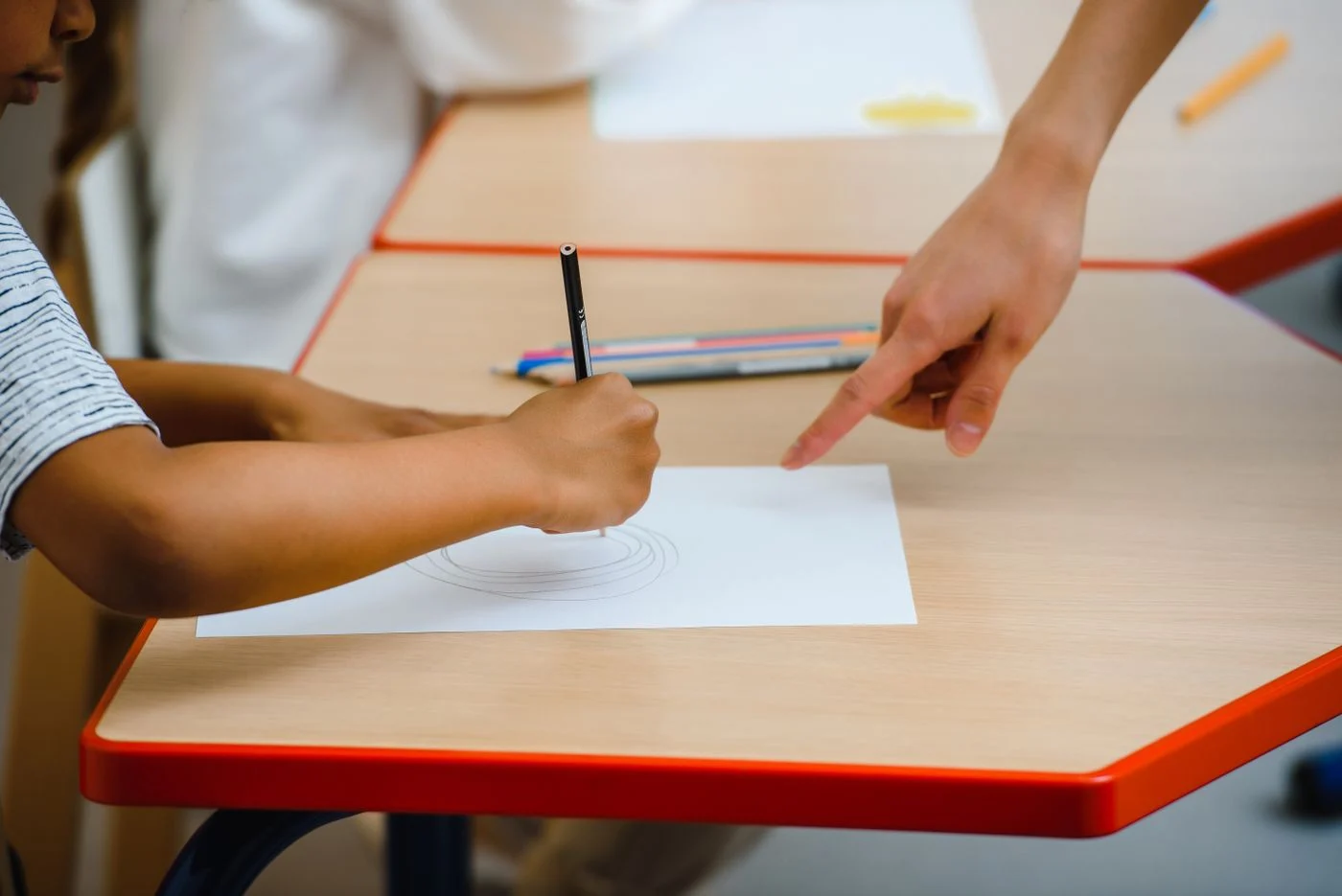
A shared drawing may already have an agreed place in the home when someone suggests another use. A different room, a public event or a photograph online can seem like a small extension of the same enthusiasm. Treat the change as a new proposal rather than assuming the first agreement covers it. The useful task is identifying what is different and asking the makers about that specific difference before moving or sharing the work.
Recover the arrangement already accepted
Write a short account of the present display: which work, where it appears and what description accompanies it. Keep uncertainty honest if the original conversation was informal. Do not improve a vague memory into a confident claim that everyone agreed to every future use.
Separate the physical drawing from images of it. Permission to hang the page in a household space is not automatically the same as permission to circulate a photograph. The new proposal should identify which of those actions is actually being considered.
Name the material changes
Compare the current and proposed place, audience and caption. A move within a private arrangement may raise different questions from a new public use. A title change, added names or identifying detail can matter even if the physical frame stays where it is.
Keep the proposal concrete. Asking whether people still like the drawing does not establish whether they agree to the new audience. A person can value the work and prefer that it remain within the original setting.
Ask contributors through an appropriate process
Include the relevant makers and, where children are involved, the responsible adult and the child's preference in a suitable way. Do not use enthusiasm during the original activity as a substitute for the current conversation.
Avoid assigning permission according to who filled the largest area of the paper or supplied the frame. This article does not determine legal ownership for a particular work. Where that question is consequential or unclear, use appropriate qualified guidance rather than treating a household record as a legal ruling.
Keep the proposed caption separate
Show the words that would accompany the new use, not only the drawing. A maker may agree to an image while declining a full name or private story. Keep those choices distinct rather than making all parts of the proposal an indivisible package.
Do not publish another person's explanation for declining. A simple boundary can be respected without turning their reasons into part of the display narrative. Use relevant sharing controls and permissions appropriate to the actual method chosen.
Change only what was agreed
Record the current accepted arrangement in a concise suitable form. If an answer remains open, leave the existing appropriate display unchanged or use another agreed option rather than treating silence as consent.
Handle and mount the actual work according to appropriate guidance; a new display decision does not authorise an unsuitable treatment. The process succeeds when the drawing can continue to be enjoyed without its first small agreement gradually becoming permission for every new location, caption or audience someone imagines for it.
Related reading
Give a Finished Household Art Project a Clear Identity, Choose Captions for a Small Household Photo Display.