A Small Hallway Drop Zone That Keeps the Door Clear
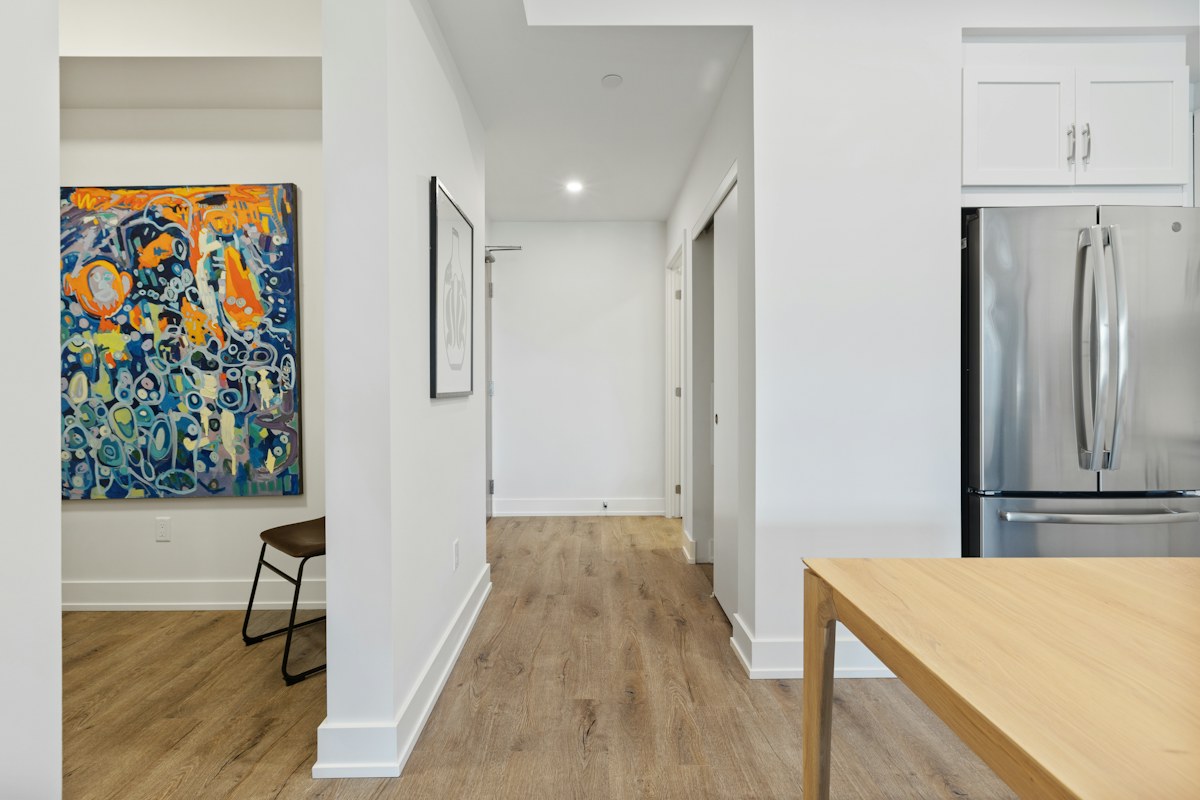
A hallway earns its keep at the most inconvenient moments: when someone is carrying shopping, looking for keys or trying to remove wet shoes. A good drop zone makes those moments easier. It does not need to store everything associated with leaving the house. It needs to hold the few things that arrive and depart every day without narrowing the route through the door.
Start by opening the door fully and walking through with your largest usual bag. Mark the space that must remain clear before considering furniture. An attractive bench becomes a poor purchase if its corner catches a coat or its seat prevents a cupboard opening.
Give each arrival a destination
For three ordinary days, notice what lands on the floor. Separate daily items from occasional ones. Keys, a work bag and the current pair of shoes belong near the entrance. A picnic blanket, spare winter boots and a collection of reusable bags can usually live elsewhere.
Limit each person to a manageable everyday allowance: perhaps one bag, one coat and one pair of shoes. This is a space decision rather than a rule about tidiness. A small hallway cannot function as the whole household’s wardrobe, however clever its organisers are.
Position a key tray where you naturally reach after closing the door, rather than where it looks most symmetrical. Give incoming post a shallow slot with a clear limit. When the slot fills, sort it; adding another basket postpones the same decision.
Choose one main storage approach
| Approach | Suits | Check before buying | Tradeoff |
|---|---|---|---|
| Wall hooks with a small shelf | Very shallow entrances | Wall type, fixings and coat clearance | Everything remains visible |
| Slim shoe cabinet | Several daily pairs | Internal depth with your actual shoes | Boots may not fit |
| Storage bench | Entrances with sitting space | Door swing and clear walking width | Encourages belongings on the seat |
| Open shoe tray | Wet-weather footwear | Footprint and easy cleaning | Holds few pairs neatly |
Do not purchase all four simply because they solve different problems. Choose the main obstacle first. If coats block the door, a shoe cabinet will not fix the entrance. If footwear spreads across the floor, decorative hooks are secondary.
Measure the object, then the furniture
Measure your bulkiest regular bag while it contains its usual things. Check the longest shoes and the height of any boots you intend to store. Product photographs rarely show the awkward items that determine whether a compartment works.
For hooks, consider the width of coats when hanging, not just the width of the rail. Closely spaced pegs can work for lightweight jackets but become crowded with padded coats. Low hooks can help children reach their things, provided they do not create a snagging point in the walking route.
Wall-mounted storage needs suitable fixings and an appropriate surface. Follow the manufacturer’s installation and load guidance; if you rent, check what alterations are permitted. Freestanding storage should also be assessed for stability, particularly around children.
Make wet weather easy to manage
Keep damp footwear on a cleanable tray where it can dry, rather than shutting it straight into a small cabinet. Choose a mat that suits the door clearance and floor surface. Our guide to choosing a washable door mat explains the checks that matter before buying.
A washable cloth near the entrance may be more useful than another container. Use it for a muddy bag base or a quick tray wipe, then put it in the laundry. Avoid leaving damp cloths bundled in a basket.
A reset that takes one journey
At the end of the day, take misplaced belongings back to their rooms in one trip. Empty the post slot, return excess shoes and clear the bench seat. Pair this with a ten-minute evening reset so the hallway does not become a separate project.
Before shopping, try the proposed layout with a cardboard box or an existing stool. A week of using the footprint reveals more than a beautiful product image.
Questions before checkout
Is a bench essential?
Only if sitting down to remove footwear solves a real difficulty and the entrance has room. A stable chair elsewhere may serve better than an undersized hallway bench.
Should every item match?
Matching containers can look calm, but dimensions and accessibility matter more. Repeat one material or colour if you want continuity without replacing useful pieces.
What is the best first purchase?
The one that addresses the most frequent obstruction. Buy that item, live with it, and add anything else only after you know what remains unresolved.