Storing Blankets Between Seasons Without Losing Cupboard Space
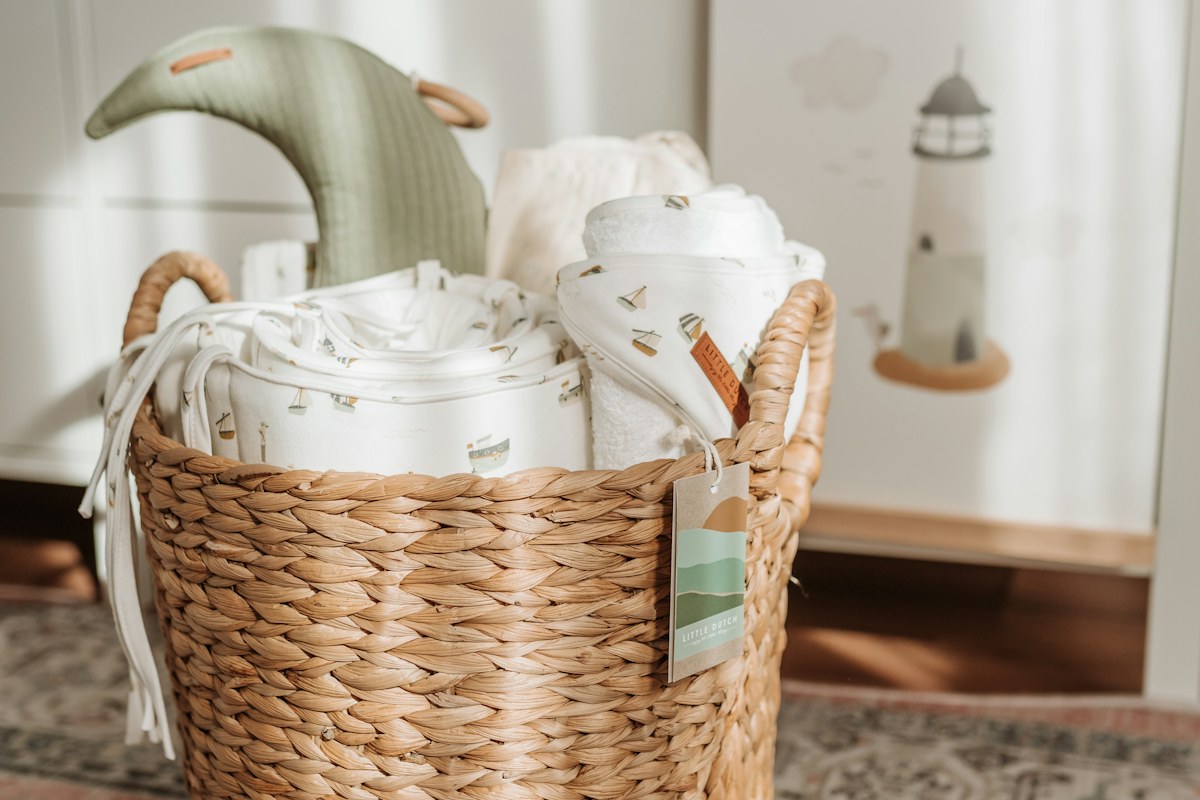
The weather turns milder, but the heavy blankets remain stacked on the sofa because the cupboard is already full. Pushing them behind the winter coats may clear the room today while creating a difficult search later. Seasonal blanket storage works best when preparation, location and retrieval are treated as one small task.
Picture a home with one linen shelf and an under-bed space that is awkward to reach. Some blankets are used every week, while a heavier one may stay stored for months. They do not all need the same destination. Separate active layers from genuine seasonal extras before choosing a container.
Prepare the textile first
Check the care label and assess whether the blanket needs cleaning before storage. Follow its washing or professional-care instructions, and allow it to dry completely. Thick folds, trims and seams may need particular attention. Do not put a slightly damp blanket into a closed bag just to finish the room quickly.
Inspect for loose threads or damage and address any suitable repair before putting the item away. A small unresolved problem is easier to remember now than months later. Avoid adding heavily scented products without checking compatibility with the textile and storage arrangement.
Choose the location around access
| Storage place | Best use | What to check |
|---|---|---|
| Accessible cupboard shelf | Blankets still used occasionally | Shelf capacity and easy removal |
| Suitable textile storage bag | Longer seasonal storage | Material, closure and care compatibility |
| Under-bed container | Infrequent access in a small room | Clearance, dust and ability to pull it out |
| Open basket | A blanket used regularly | Clean, dry location away from spills |
An open basket can look inviting beside a chair, but it is not automatically the best place for something untouched for months. Consider dust, pets and the room’s normal activity. A hidden container is useful only if the blanket can be retrieved without dismantling half the bedroom.
Measure the folded blanket
Fold the blanket gently into a practical shape, then measure the bundle before shopping for a bag. Product photographs often show lightly filled storage that does not represent your own bulky textile. Check internal dimensions, access openings and handle construction as well as the advertised capacity.
Avoid forcing a blanket into a container that requires significant compression unless its manufacturer says the method is suitable. Different textiles and fillings have different requirements. Vacuum storage is not a universal answer simply because it saves visible space.
Keep everyday and seasonal layers apart
Leave the blanket currently in use close to its normal seat or bed. Store the heavier reserve separately so you do not disturb a large pile every time the evening feels cool. If your active basket keeps overflowing, decide which layer is genuinely needed instead of buying a bigger basket first.
Choosing a throw for autumn helps you compare the role of a lighter throw with a warmer layer. Layering a sofa without clutter is useful when several decorative textiles have gradually taken over the seating space.
Label for the next season
Use a simple description that identifies the contents without requiring you to open every bag: main bed winter blanket, for example. Keep any important care information available with the textile. If storage is shared, make the label visible from the direction you approach the shelf.
Check the storage location occasionally for signs of moisture or other problems. A closed container should not become a reason to ignore an unsuitable cupboard. If a space has recurring damp, address the cause and choose a more appropriate destination for textiles.
Seasonal storage checklist
- Separate regular-use blankets from true seasonal extras.
- Follow the label when cleaning and drying.
- Inspect condition before packing.
- Measure the folded bundle and the storage opening.
- Choose a suitable container without excessive compression.
- Label clearly and keep retrieval manageable.
When cooler weather returns, inspect the blanket before putting it back into use. Refresh or clean it as needed according to its care instructions, rather than assuming that several months out of sight guarantee it is ready for the bed.
Questions that come up
Are storage bags always better than shelves?
No. A suitable clean shelf may work well for frequently used blankets. Bags can help organise or protect occasional textiles, but the right choice depends on the item and location.
Can every blanket be vacuum packed?
Do not assume so. Consult the manufacturer’s advice, particularly for bulky or filled items, and choose a less compressed method if suitability is unclear.
Should seasonal storage be completely full?
Leave enough room to handle the contents comfortably. Overfilled bags and shelves make it harder to inspect, retrieve and return blankets without damaging the arrangement.