Keep a Display Teacup’s Identity Clear
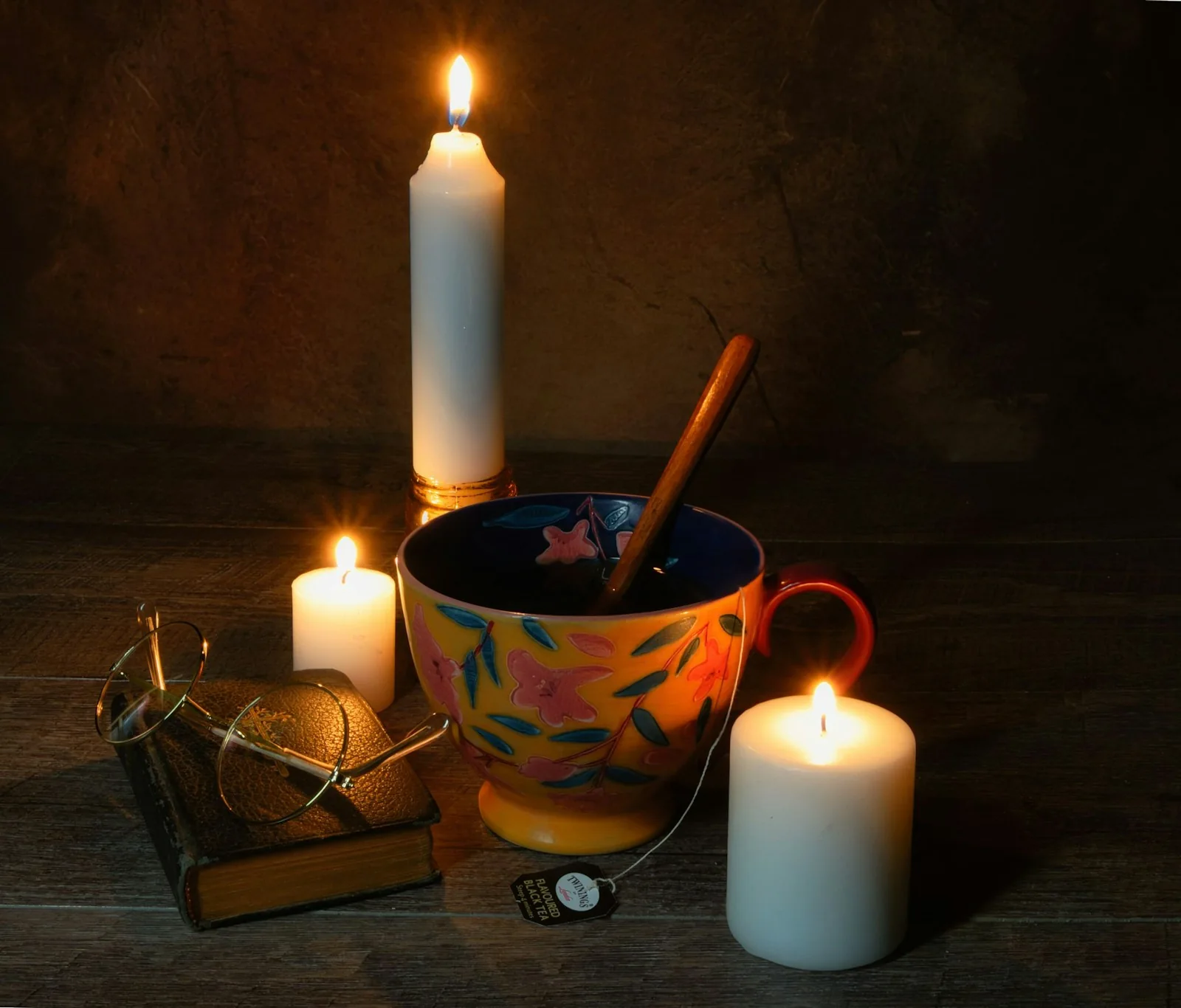
Name the cup’s current role
A teacup displayed with books or other valued objects can have a different role from the pieces used for everyday drinks. Decide which role this actual cup serves now. A personal or decorative choice does not need to become practical tableware to justify its place.
Check known identity, condition and relevant product information before changing its use. A familiar cup shape alone cannot establish suitability for every drink, care process or other purpose. Keep unresolved questions visible rather than assuming display stock is ready kitchen equipment.
Preserve what is genuinely known
Keep a maker or product reference where available, while distinguishing verified information from a family recollection. Do not assign an age, material or provenance solely from appearance. A meaningful personal story can remain valuable without becoming a factual product claim.
If the cup belongs to another person, ask before moving or repurposing it. Shared room display does not establish shared ownership. Keep any associated saucer or other genuinely matched piece identifiable under its actual requirements.
Choose suitable support and contact
Use an appropriate surface and arrangement for the actual object. Include its full handle and any projecting part when checking the space. A broad shelf does not make every grouping suitable for fragile or valued objects.
Follow the cup and furniture care requirements. A decorative mat or tray is not automatic protection for every finish. Seek appropriate advice where the object's needs remain uncertain instead of adapting unfamiliar materials to reproduce a styled picture.
Keep kitchen use clearly distinct
If the cup is confirmed suitable and intended for drinks, give it an understood ready role and follow its actual care requirements. If it remains decorative or uncertain, keep that distinction clear to anyone who might otherwise use it.
Our display ceramic guide supports the broader question. A simple explanation can be enough without adding labels to every object. The aim is understanding, not turning a personal display into a product inventory.
Review when the display changes
When the cup moves to another room or person, preserve relevant identity and condition information. Describe limitations honestly in any appropriate passing-on arrangement. Do not present an unresolved decorative item as ready tableware simply because its appearance is appealing.
Our reading corner guide connects retained objects with a real room activity. A displayed cup can remain one deliberate personal detail without requiring another matching collection or an invented functional purpose.
Display-teacup questions
Does cup shape establish suitability for drinks? Check the actual object and relevant information.
Must a personal story be verified as provenance? Keep recollection and established product facts distinct.
Can another person use a displayed cup automatically? Agree its role and ownership rather than assuming permission.