Check a Baking Pan’s Preparation Before Mixing
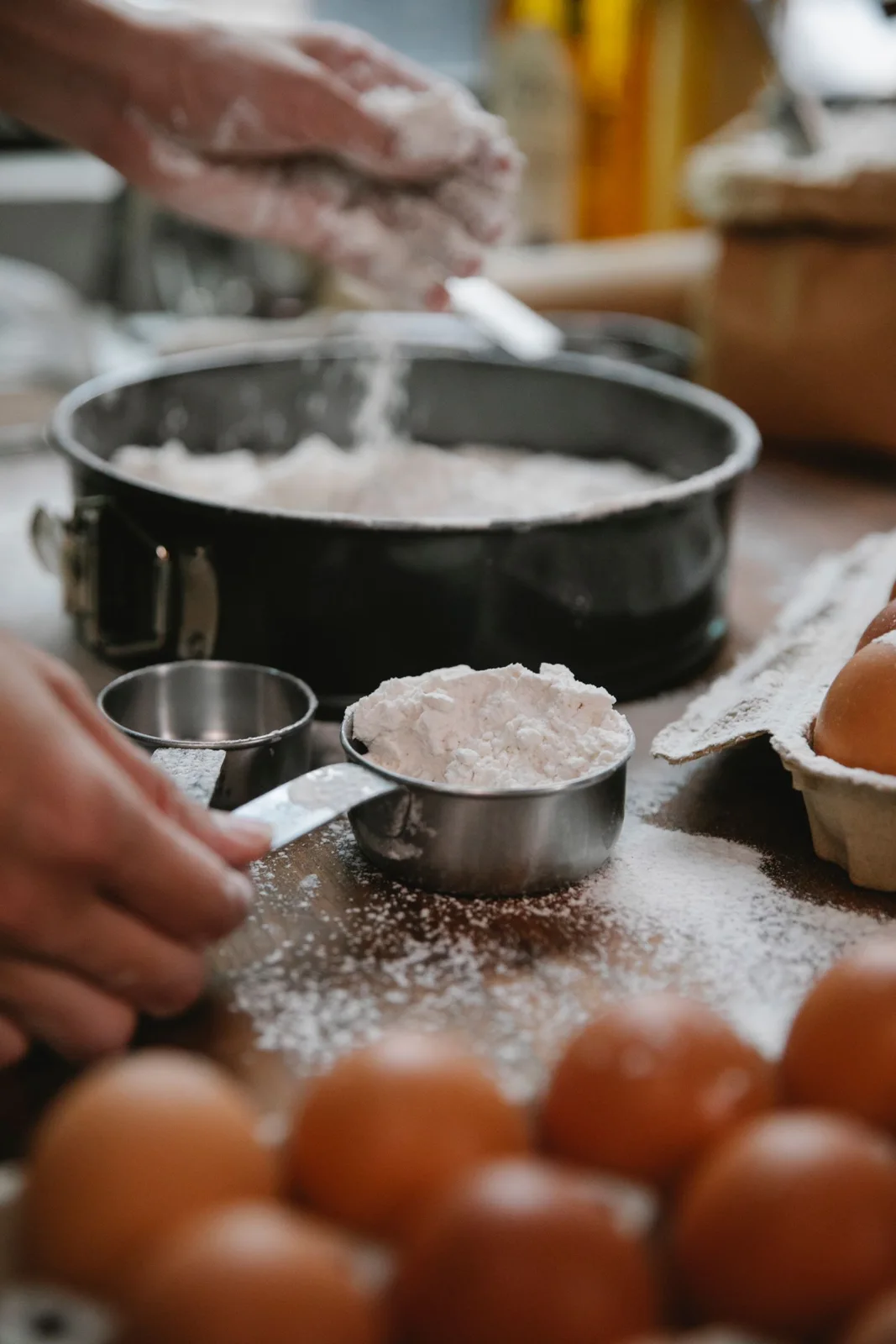
A bake can reach the ready-to-pour stage before anyone notices that the pan still needs preparation. Read that instruction early, alongside the equipment description. A prepared destination makes the recipe easier to follow without adding a separate last-minute search for paper, tools or another tin.
Match the actual pan to the method
Read the stated shape, dimensions and relevant construction. A springform pan, removable-base tin and solid-base pan are different pieces of equipment even when their tops look similar. Use the recipe and the product's own information to establish suitability.
Measure in the relevant way where the recipe or product guidance requires it. Do not choose a different pan solely because its external width seems close. If the required equipment is unavailable, resolve a reliable supported alternative before preparing the mixture.
Identify the preparation step
Look for the precise instruction about lining or another form of pan preparation. Follow the chosen method and the pan's appropriate use guidance rather than repeating a treatment from an unrelated recipe. A decorative finished edge in a photograph does not explain how the bake was prepared.
Keep the materials suitable for their actual purpose and any stated temperature or use limits. A paper product used for wrapping or a display surface is not automatically appropriate for baking. Retain relevant packaging information until the correct material is clear.
Complete the shape while there is room
If lining is required, prepare it in a suitable clear area before mixing bowls fill the counter. Check which part of the pan needs coverage and how the method intends the material to sit. Avoid adding folds or protruding pieces simply to use an oversized sheet unchanged.
Put cutting tools, spare materials and packaging away from the active food area once this stage is finished. Keep the ready pan in a suitable clear position where it will not collect unrelated objects while ingredients are being measured.
Read the later removal instruction
Check how and when the recipe says the bake should leave the pan. Identify the appropriate supporting surface or equipment for that later stage. The pan preparation and the eventual release are connected parts of the method, even though they happen at different times.
Follow the recipe's cooking, cooling and food-specific directions rather than shortening a stage because the equipment now looks ready. Make one final comparison between the actual prepared pan and the written method before mixing begins.
After the session, note any uncertainty that remains about the pan or lining. Resolve that question before the next bake instead of keeping a vague instruction such as prepare as usual. A small early check gives the mixture a suitable destination and leaves the rest of the recipe free from an avoidable equipment interruption.
Related reading
Give Household Product Documents a Useful Reference, Glass or Plastic Food Containers: Choose by the Job.