Keep Bedding Changes Clear of the Bedroom Screen Setup
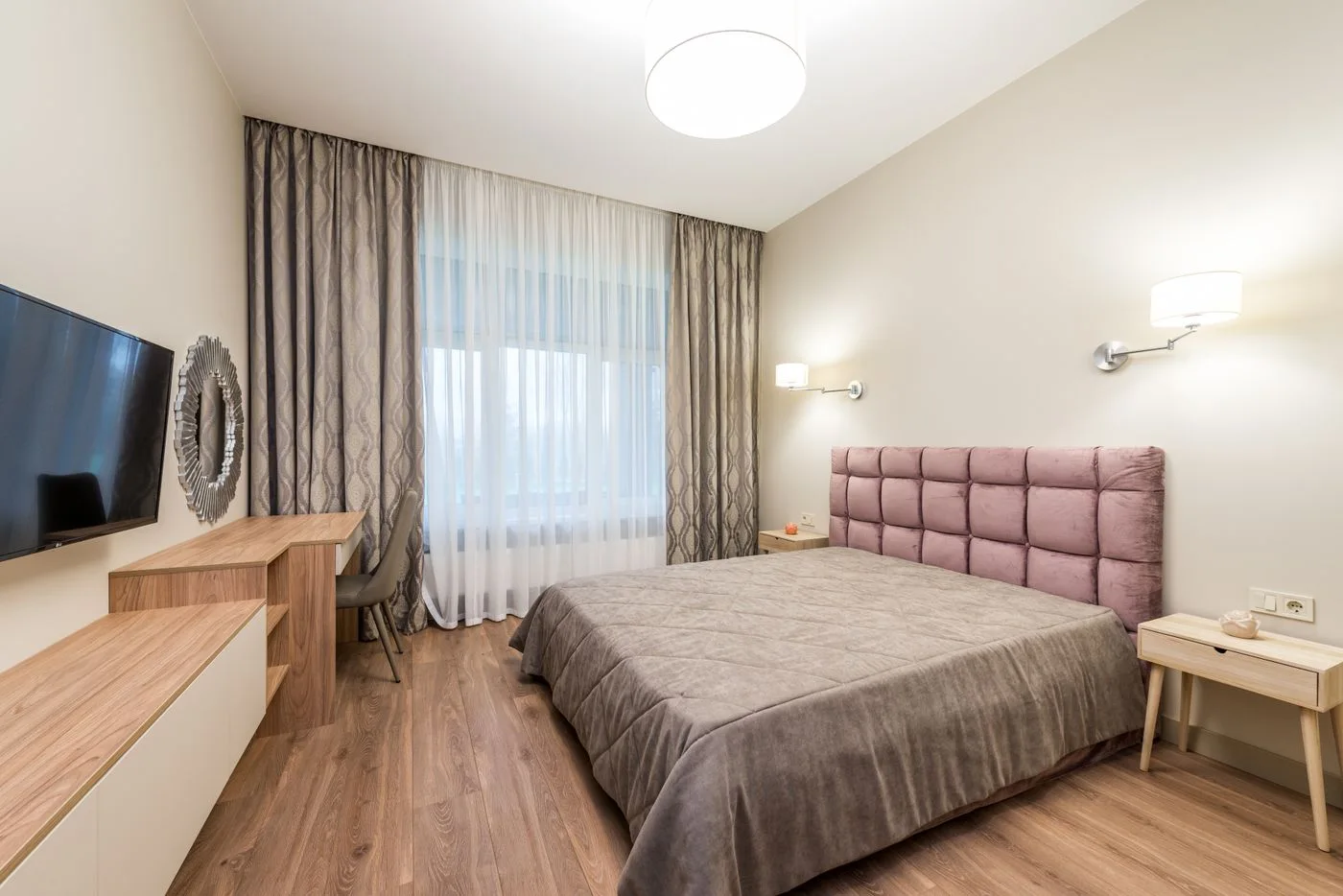
Consider the bedding task beside the screen setup
A bedroom screen and its associated furniture may fit the room while making an ordinary bedding change more awkward. Begin with the actual movement used to prepare the bed and the equipment's requirements. Notice where access is needed instead of judging the room only with every textile neatly arranged.
Follow the screen, electrical equipment, furniture and bedding instructions. This article does not assess a particular installation or prescribe technical clearances. A bedroom photograph can show a screen without establishing how the actual products should be operated, moved or maintained.
Keep the equipment group identifiable
Know which components belong to the setup and keep their appropriate positions clear. Similar cables or accessories should not become anonymous objects moved aside whenever bedding is changed. Use actual product information rather than guessing which part can be relocated safely.
Our product document guide keeps reliable instructions connected to the right model. That information helps distinguish a suitable room adjustment from an unresolved technical question.
Check the ordinary bed-making route
Consider the actual bed and appropriate bedding routine, including the movement at its sides and foot. Keep necessary room access available and do not accept a cramped workaround solely because the furniture looks balanced in the closed-door view.
The duvet-cover fit guide begins with the actual bed. The room arrangement should support handling those suitable textiles rather than making each bedding change depend on moving unrelated equipment. For example, the appropriate bedding group can be prepared in a suitable clear position before beginning, while screen accessories remain in their instructed places instead of becoming temporary objects on the mattress.
Separate visual balance from product suitability
A screen may align attractively with a cabinet or picture while still needing a different appropriate relationship under its instructions. Keep those requirements central. Obtain qualified advice where an installation or electrical question needs assessment rather than improvising a change to recover floor space.
If the decorative group around the screen is the actual obstacle, edit suitable objects before considering a larger furniture project. A modest retained arrangement can leave the bedroom useful without another accessory filling every available surface.
Review the task after an appropriate change
Notice whether the bedding routine becomes more manageable while the equipment remains within its requirements. Keep the observation specific rather than claiming a universal bedroom improvement. A change that helps one household may not suit another person's needs or products.
What if the setup cannot appropriately move? Choose a suitable room plan around that actual condition rather than pretending the obstacle is decorative only. What if the screen is rarely used? Consider its honest role before retaining the entire surrounding arrangement by habit. A useful bedroom plan includes ordinary textile care and bed-making alongside the view from the pillow.