Plan a Board Game Visit Around the Actual Session
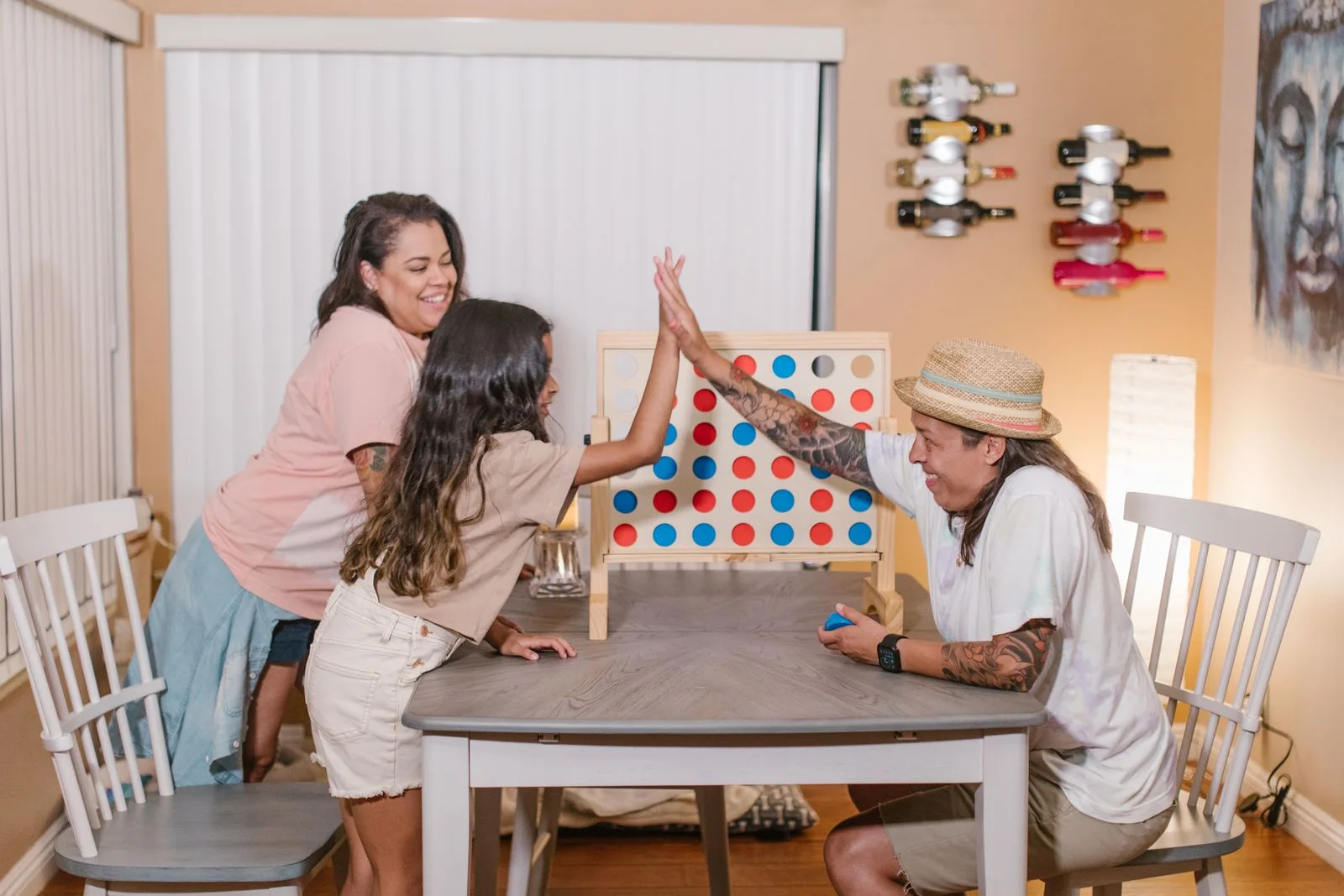
Choose the visit before the game list
A board game invitation is easier to answer when it describes the actual kind of gathering rather than presenting a long programme of possible games. Begin with the real people, agreed visit and relevant preferences. A suitable game choice should follow those circumstances, not the appearance of a lively photograph.
Use the actual product information for participant requirements and intended use. A familiar title can have several versions or associated parts, so keep the specific retained game clear where that distinction matters.
Agree a modest session shape
Discuss the ordinary plan in plain words: whether the visit centres on one chosen activity or leaves the selection flexible. Keep relevant individual needs handled directly and proportionately. Do not assume one person's preference represents the whole group or that every guest wants the same kind of session.
A clear invitation can identify which details are agreed and which remain open. That is more useful than a decorative schedule that makes uncertain plans look confirmed before anyone has answered.
Check the real equipment group
Identify the genuine game components and supplied instructions. Keep unresolved identity or condition questions explicit instead of completing the box with a similar-looking piece from another product. A familiar title does not establish that every edition has interchangeable parts.
Choose the actual furniture and activity arrangement through the relevant products and household requirements. A table photograph cannot establish suitability for another setting. Seek appropriate guidance where a practical question requires more than a visual suggestion.
Keep hospitality connected to the activity
Choose a modest real food or drink plan where it belongs to the visit, and discuss relevant guest needs accurately. Avoid adding a full meal automatically when the actual invitation is a shorter activity. The hosting group should serve what people genuinely agreed to do.
Keep the surface's actual task clear. An optional display should not take over the space needed for the chosen suitable activity. Give temporary items appropriate destinations rather than transferring them to an undefined pile when the game begins.
Give the ending a clear handover
Follow the actual game requirements when the session pauses or finishes. Preserve component identity and make unfinished stages understandable to the responsible adults. A neat closed box should not imply the group has been checked if a real question remains.
What if the chosen game no longer suits the actual gathering? Discuss another appropriate option instead of treating the invitation as a fixed programme. What if guests prefer a simpler visit? Keep that clear result. A considered board game plan connects the real people, suitable retained equipment and an understandable ending without making hospitality a collection of tasks performed for a photograph.
Related reading
Keep Project Groups Clear on a Shared Craft Desk, A Calmer Sunday Home Reset for an Ordinary Busy Week.