Check Cutlery Length Before Choosing Drawer Dividers
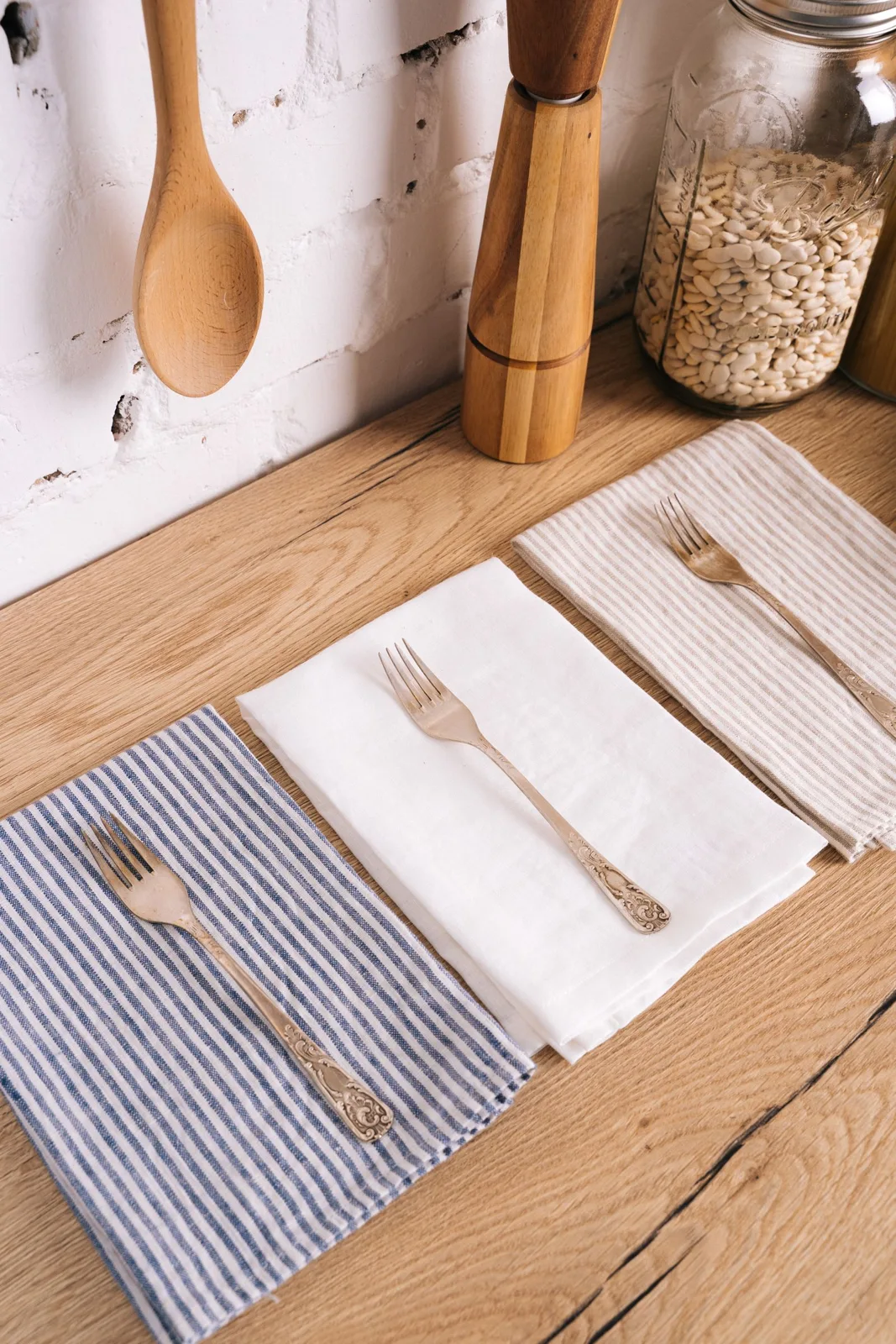
A cutlery insert can fit inside a drawer and still fail to fit the cutlery. Long-handled spoons sit diagonally, knife handles pile up at one end, and a narrow compartment leaves no room to lift the bottom fork. Measure the contents as well as the box before shopping.
Lay out the real working set
Empty the drawer onto a towel and group the pieces by type. Keep the everyday set separate from serving spoons, unusual utensils and spare pieces used only for larger meals. Count what must live in this particular drawer rather than trying to design storage for every utensil in the kitchen.
Lay the longest piece from each group flat. Measure its full length, including the handle, and note the widest handle. An insert compartment needs a little usable space beyond these measurements so a piece can be picked up without scraping the end. A compartment exactly as long as a spoon is a tight box, not a convenient fit.
Measure the drawer in three directions
Measure the internal width and depth with the drawer fully open. Check whether a sloping back, rounded corner or projecting mechanism reduces the usable rectangle. The advertised external size of an organiser may describe a shape that does not sit flat in your drawer.
Measure height too. Deep handles stacked in an insert can rise above the drawer sides even when the empty insert is shallow enough. Close the drawer gently during a temporary layout, without forcing it against a pile of utensils. A fully loaded drawer is the relevant test.
Compare one long channel with several short ones
A long side channel can hold serving pieces that otherwise steal space from the everyday groups. This is useful when those pieces are used often enough to stay nearby. If they appear only for occasional gatherings, another drawer may be a better home than sacrificing half the daily cutlery space.
Adjustable inserts can accommodate an awkward width, but the expanding sides may create shallow or irregular channels. Look at the dimensions in both the closed and expanded positions. Removable dividers offer flexibility, although very small pieces can travel between sections if the divisions do not meet the base securely.
Mock up the arrangement before buying
Use strips of paper to mark the proposed compartment boundaries inside the empty drawer. Lay each cutlery group in its planned position. Reach in as you normally would and lift a single spoon, then a fork from the bottom of its stack. You are checking the movement, not just making an attractive overhead arrangement.
Keep the measurements and a simple sketch with the shopping note. Include the cutlery lengths beside the drawer dimensions so a promising organiser can be compared in the shop. When the insert arrives, load the ordinary set first. Add extras only after that set has a clear, easy-to-use place.
Related reading
Kitchen Tools Worth Giving Drawer Space To, Small Kitchen Worktop Zones That Make Cooking Easier.