Give an Empty Suitcase a Suitable Home Between Trips
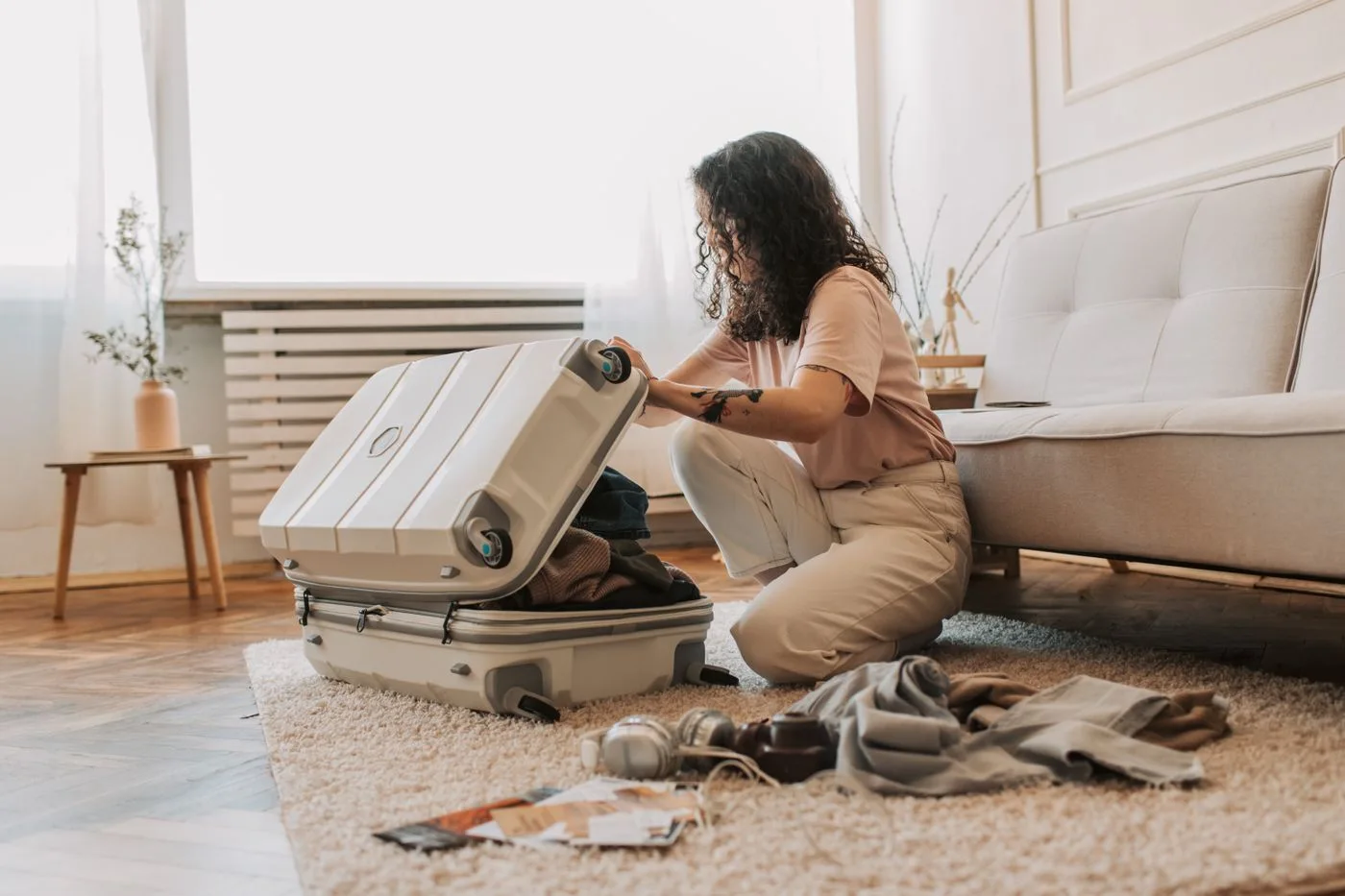
An empty suitcase can remain beside the door long after the trip has ended. Its contents are gone, but its next household position was never chosen. Finish the return by checking the case's condition and assigning a suitable stored home that can be used again without a search.
Confirm that it is actually empty
Check the compartments and pockets used during the journey. A small personal item or travel document can remain hidden after the main clothing group has been removed. Return belongings to their appropriate secure or everyday places rather than leaving them in the case for an undefined next trip.
Keep a genuine travel kit only if it has a clear suitable role and its contents remain known. A collection of forgotten items is not the same as an intentionally retained kit. Record any specific missing or damaged component separately.
Attend to the case's condition
Follow the luggage's material and care instructions. Let it reach its appropriate ready condition before closing and storing it. A damp or dirty return should not disappear into a cupboard simply because the visible travel clothes have been put away.
Check the ordinary parts used during the trip, such as handles, wheels and fastenings, without forcing or dismantling them. If an issue needs repair or reliable advice, keep its status clear. A case waiting for attention should not appear ready for someone to borrow or pack.
Measure the full stored shape
Include wheels, handles and projecting parts when comparing the storage position. A stated case-body dimension may not describe the whole item. Check the usable opening and the route into the chosen space, not only the empty rectangle beyond it.
Keep the position suitable, stable and clear of household routes. Do not balance luggage on an inappropriate high surface merely because it fits there. If a cupboard requires moving several heavy objects to retrieve the case, another suitable location may work better.
Avoid filling it without a plan
Using an empty case for storage can be practical only when the contents have a clear identity and return plan. Otherwise the next trip begins by emptying a second household cupboard onto the bed. Keep ordinary items in their proper homes where that is the simpler arrangement.
Note the stored case's location if another household member needs to find it. Keep any relevant product record or unresolved issue accessible without putting private travel information on display. Once the case is ready and in its agreed position, the trip's unpacking is complete. The aim is a clear household ending, with luggage available for its next real use rather than occupying the hallway as a reminder of the last one.
Related reading
A Seasonal Wardrobe Handover Without a Weekend of Chaos, Give Household Product Documents a Useful Reference.