Separate a Market Shop by Weight Before the Journey Home
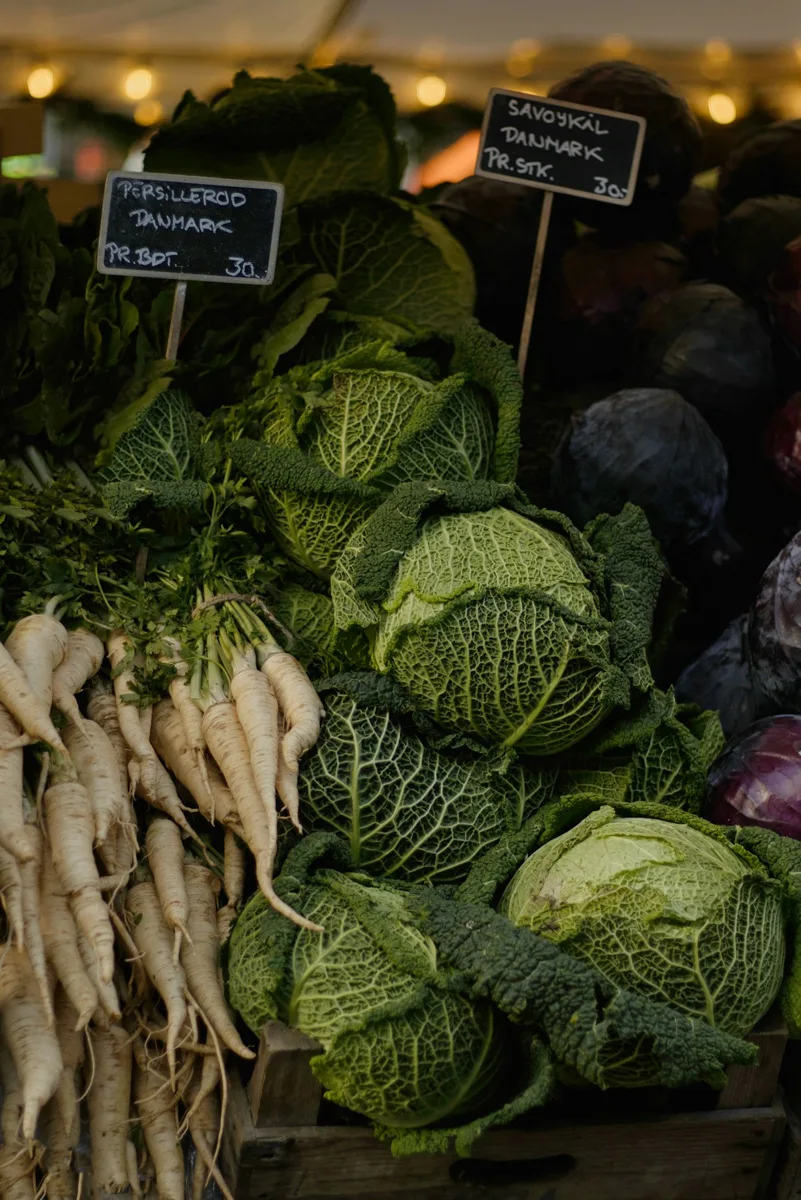
A market bag can hold the right amount of food and still deliver crushed leaves. The problem often begins at the first stall, when soft produce goes in before the heavier vegetables bought later. Plan the packing order around weight and shape rather than the order of the shopping list.
Bring two different carrying roles
One stronger bag can take firm, weighty vegetables such as cabbages or root vegetables. A second, lighter bag can hold leaves and other easily bruised purchases. This is often easier than trying to keep a delicate upper layer intact in one tall bag that changes shape as you walk.
Check handles before leaving. A large bag that becomes too heavy is not a useful substitute for two manageable loads. For a longer walk or public transport journey, leave spare capacity so the handles can close comfortably and the bag can be set down without produce spilling out.
Think a stall ahead
Buy the heavier items earlier if the market layout makes that convenient. Otherwise, keep a clear lower section for them rather than resting a dense cabbage on top of a bag of leaves. Pause at a suitable spot to rearrange the load when the next purchase changes its balance.
Long vegetables may sit diagonally rather than upright. Avoid forcing them against a narrow opening, which can bend delicate ends or catch the bag handle. Ask the stallholder for help with unusually shaped produce if needed, and avoid repacking in a busy walkway where bags block other shoppers.
Keep moisture in its own place
Damp leaves and vegetables can wet a paper-wrapped purchase or a dry shopping list. Use the packaging supplied or a suitable reusable produce bag to keep those items together. Shake off loose surface water only where it is appropriate, rather than opening a damp bundle over other shopping.
Keep household goods and non-food purchases separate from uncovered produce. A soap bought at another stall belongs in its own contained section. The aim is an ordinary separation of uses, not a complicated collection of new organisers for a short journey.
Unpack in a useful order
At home, put the bags on a suitable surface and remove the delicate items first. This frees space to lift the heavier vegetables without dragging them through the leaves. Check what needs attention or storage, following the needs of each food rather than leaving everything in the carrying bag.
Flatten or air reusable bags as needed before returning them to the shopping station. If a particular bag was awkward, note the reason: handles too short, base too narrow or load too heavy. That observation is more useful for the next market trip than buying another bag of roughly the same shape.
Related reading
Build a Shopping Bag Station You Will Remember, Pantry Jars or Original Packaging? Decide Shelf by Shelf.