Separate Borrowed Books From a Reading Corner’s Reserve
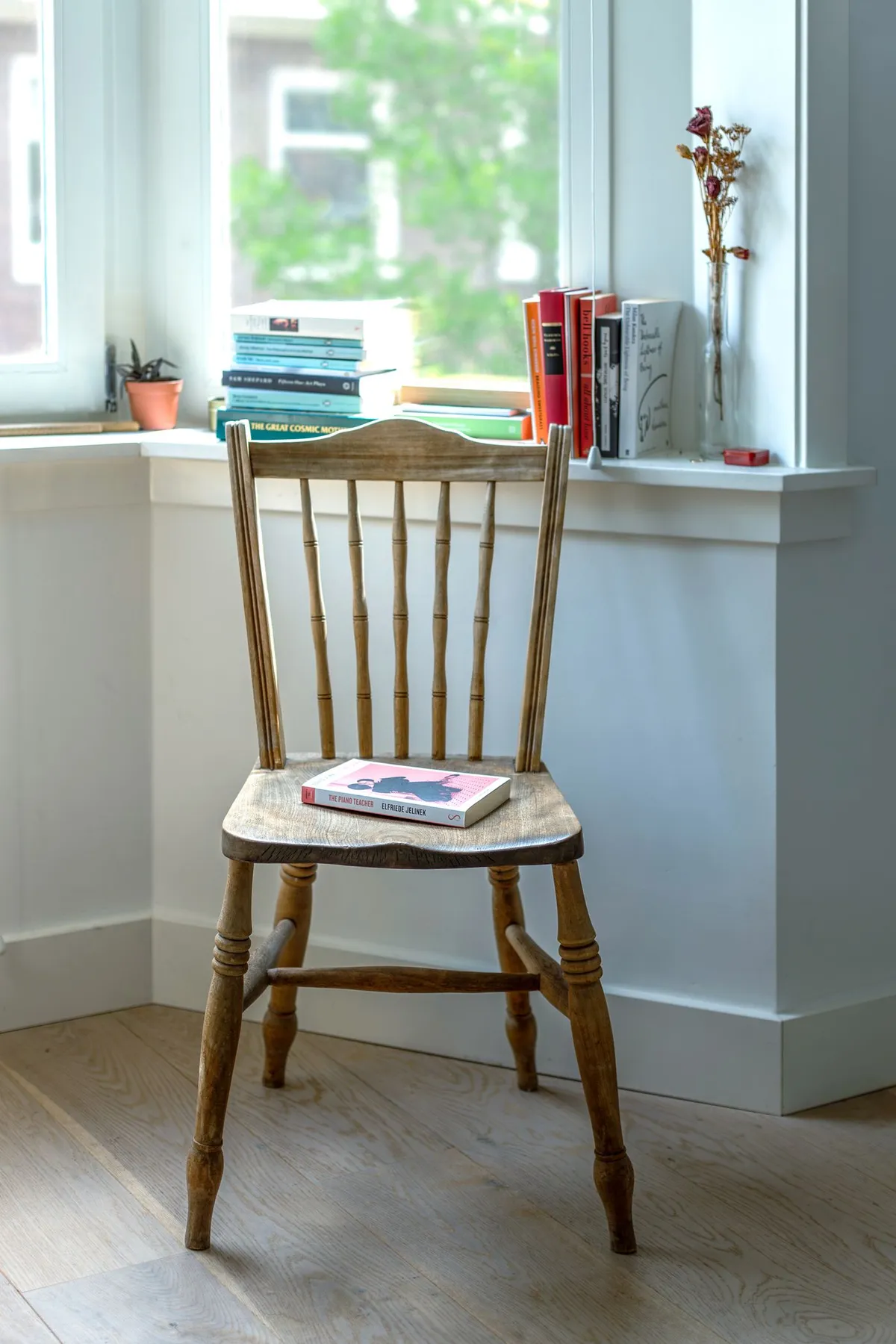
Give borrowed books an identifiable position
A reading corner can hold current books, future possibilities and titles borrowed from several people. Keep the borrowed group identifiable so its actual return arrangements do not disappear inside a general reading stack. The useful distinction is ownership and next handover, not a judgement about which books deserve attention.
Choose an arrangement suited to the actual books and household. There is no universal shelf size or container that every reading corner needs. Keep handling and care requirements central rather than selecting storage from a styled image alone.
Preserve the lender reference
Record whose copy each borrowed title is and the agreed return plan. A short suitable note or private list can be enough. Do not write inside the book or attach unfamiliar labels merely to distinguish it from household stock.
Our book loan guide covers the original agreement. The reading-corner position supports that arrangement; it should not silently replace a return commitment with a different household schedule.
Keep current reading clear
A borrowed book may be the current read or waiting for another role. Make that distinction understandable to the reader without moving the copy into unsuitable storage. If the book is no longer wanted, complete the agreed return instead of preserving it indefinitely as a future possibility.
Use a suitable marker where needed and keep personal notes appropriately separate. The lender's book should not return with overlooked private material inside. A clear ready-to-return group can prevent that final handover from being rushed.
Check the surface’s actual capacity
Include the complete book shapes, nearby objects and appropriate retrieval. A narrow table can support a current title while being unsuitable for a tall stack. Follow the furniture and books' relevant requirements instead of balancing copies to fit a decorative photograph.
Our reading corner guide connects the position with a real activity. Keep borrowed reserve and decorative display as distinct roles where their requirements differ.
Review at a real choice point
When choosing another book or preparing for an agreed visit, check which borrowed copies need their next step. Communicate a changed plan to the lender rather than assuming continued storage means the loan is still welcome. Keep the reminder until the actual return is complete.
A useful reserve arrangement remains small enough to understand. If it grows, review the actual loans and reading choices before adding more shelves. The goal is suitable access and honest handovers, not an expanding visible record of every book the household might read.
Borrowed-reserve questions
Must borrowed books have a separate cupboard? An appropriate clear distinction may be enough.
Can a household reading plan override the loan agreement? Keep the actual lender arrangement central.
What if a title is no longer the current choice? Return it as agreed or communicate an appropriate change.
Compare current options
Use the measurements and buying checklist above before choosing. These links go to current retailer ranges; prices, stock and delivery terms can change. We do not earn commission from these links.