Check the Room Route Reflected Behind the Sofa
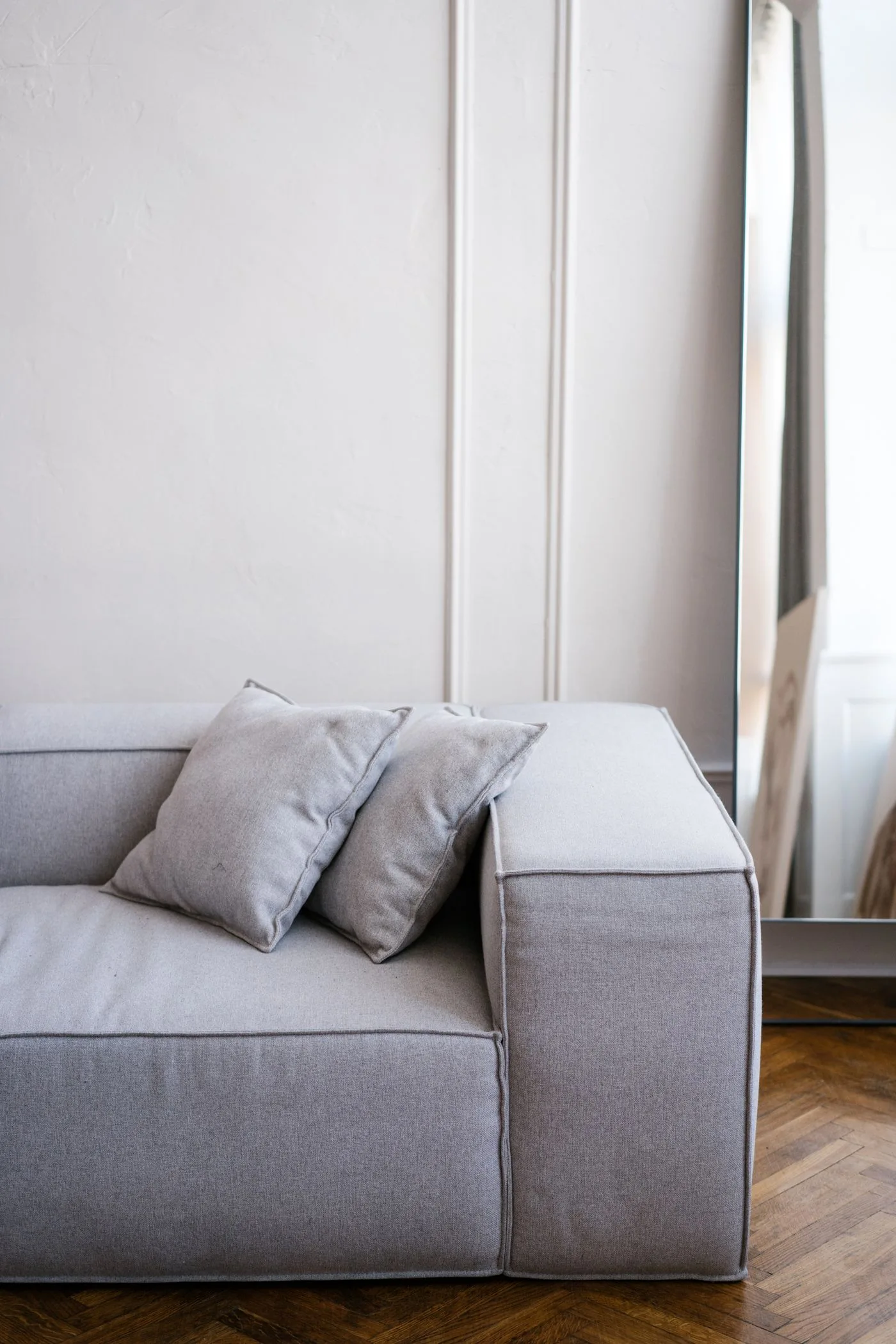
Look at the reflection during ordinary room use
A mirror near the sofa can make a room feel visually connected while reflecting a route that is usually filled with everyday belongings. Before changing the display, look from the actual seated and doorway positions. Notice what the mirror shows when the room is occupied rather than only when it has been cleared for a photograph.
Follow the mirror's installation, loading and care requirements and obtain appropriate advice where the wall or fixing needs assessment. This article concerns the visual view, not permission to install or relocate a particular product through an improvised method.
Separate a reflection preference from an access problem
An object in the reflected view may be visually prominent while still serving a necessary appropriate role. Do not remove useful storage solely to make the mirror look empty. Conversely, a pile blocking the actual route needs a real destination, not a decorative screen hiding it from the reflection.
Our clear hallway guide keeps the practical route central. A mirror can reveal that route from another angle, but it should not turn appearance into the only measure of whether the room works.
Compare the ordinary seated view
Sit where the mirror is normally seen and notice the reflected light, furniture and movement. A standing installation view may not represent the room's daily experience. Different household members may prefer different visual relationships, so discuss the actual room rather than treating one angle as universally correct.
The usable sofa guide begins with people seated. Keep that occupied arrangement in the mirror comparison instead of styling the reflected sofa as if nobody will use it.
Choose a modest retained adjustment
If a decorative object dominates the reflection, compare another suitable position or a smaller retained group. Keep product and room requirements intact while making any appropriate change. A new matching accessory is not automatically needed to connect two reflected surfaces.
Avoid moving the mirror itself before understanding whether the problem belongs to its view or the objects being reflected. A simple appropriate adjustment to the room may provide the preferred result without another installation project.
Accept the room as a lived-in place
A useful mirror view can include ordinary household activity. It does not need to remain an empty interior photograph throughout the day. Choose a relationship that is personally enjoyable while leaving the room's practical roles honest and available.
What if the reflection still feels busy? Review unrelated objects before adding another decorative layer. What if the mirror already serves its actual role well? Leave it in place rather than inventing a new problem from a single image. A considered reflected route supports both the real movement and the way the room is seen from the sofa.
Compare current options
Use the measurements and buying checklist above before choosing. These links go to current retailer ranges; prices, stock and delivery terms can change. We do not earn commission from these links.