Keep a Building Set’s Return Area Clear of the Room Route
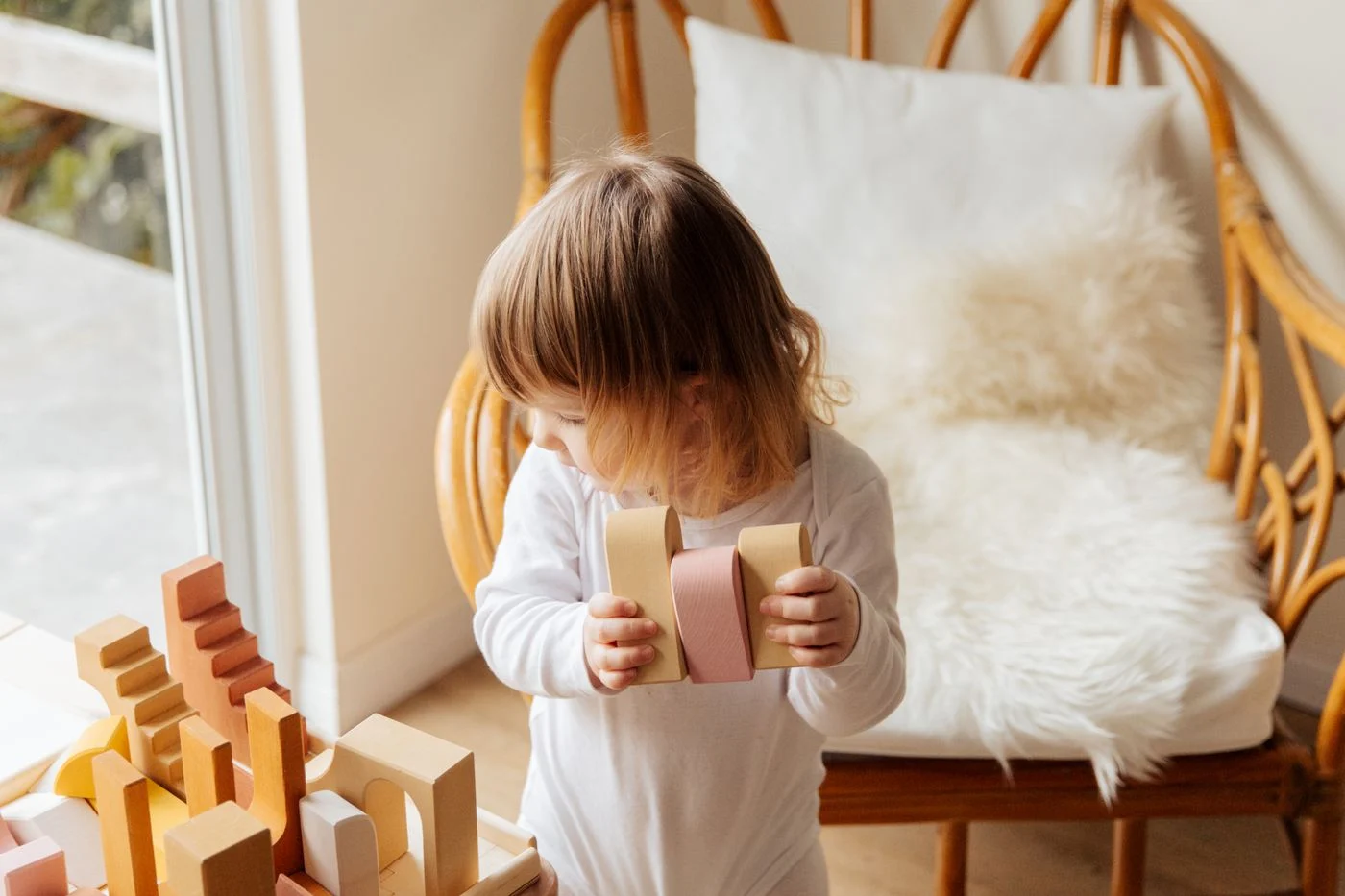
A building set can occupy more floor at the end of play than it did at the beginning. Finished structures, unused pieces and the container may sit in separate places. Choose a clear return area before the session so packing away does not begin by moving everything through the household route.
Use the set's actual requirements
Check the manufacturer's age suitability, intended use and storage information for the particular set. Different pieces and materials need different handling. Keep the activity appropriately supervised for the participants rather than treating every block collection as interchangeable.
Identify the complete set where that is useful. Keep its supplied information associated with it and separate unrelated pieces that create confusion. An attractive mixed basket may be less practical if the household needs to understand which components belong together.
Choose the container position
Place an appropriate container in a suitable accessible position outside the ordinary walking route. Keep it stable and usable without obstructing a door or another household task. The return area should remain clear even when the room is busy.
Do not choose the largest available box automatically. Consider the weight and the way the intended user or responsible adult will handle it. A manageable group can be easier to return than one large container that must be dragged across the room.
Separate keeping a build from storing pieces
If someone wants to keep an unfinished construction, agree whether an appropriate pause position is available. Keep that decision distinct from the return of unused pieces. A wish to continue later does not mean every component needs to remain scattered around the structure.
Choose a suitable clear place for any agreed paused work, following the set's use requirements and the household's needs. If no appropriate place exists, discuss a different finish rather than silently leaving the main room route obstructed.
Complete the return visibly
At the end, gather the appropriate components according to the set's guidance and check the immediate activity area. Keep the container's next position clear so another person can see that the room has returned to ordinary use. Deal appropriately with a missing or damaged piece rather than hiding it among the ready contents.
If a piece is being kept separately for a reason, record that simply where the responsible adult can find it. Avoid creating a confusing second collection that appears to be a different set.
Notice which part of the return repeatedly causes difficulty: container access, an unclear pause decision or too much activity area at once. Change that specific part next time. A useful return area supports a clear ending without requiring a perfect-looking playroom or a new storage system after every session.
Related reading
Keep Project Groups Clear on a Shared Craft Desk, A Small Hallway Drop Zone That Keeps the Door Clear.