Write the Recipe Amount Beside a Herb Shopping Entry
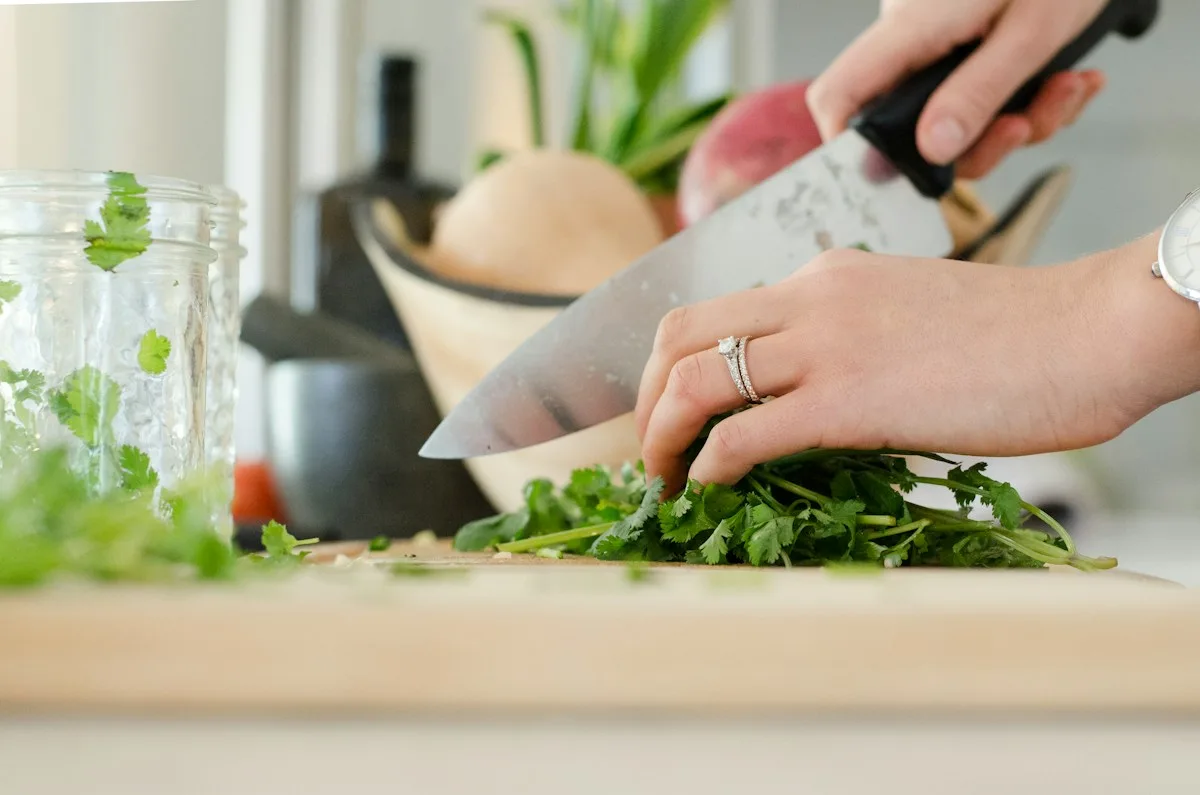
A shopping list that says herbs leaves several decisions for the market or shop. The recipe may need a particular variety, a prepared quantity or a finishing portion in addition to the main amount. Copy that information before choosing the bunch, while the full method is easy to read.
Keep the exact ingredient description
Read the ingredient line together with every later mention in the method. Note whether the amount refers to leaves, another specified part or the product as purchased. Different herbs and recipes have different requirements, so do not make every bunch follow one preparation rule.
Keep the measurement unit attached to the quantity. A weighed amount and a volume of prepared leaves are not interchangeable descriptions without reliable recipe guidance. A short precise shopping entry is more useful than a remembered impression of how large the photographed bunch looked.
Distinguish the package from the recipe amount
Read the product quantity where it is provided and compare it with the planned use. A package can contain much more than the recipe needs. Choosing the largest bunch is not automatically practical if the household has no suitable plan for the remainder.
If the intended herb is unavailable, use a reliable supported substitution or choose another recipe before shopping further. Similar colour or leaf shape is not enough to establish the same culinary role. Keep the original ingredient name in the note so the unresolved choice remains visible.
Name a second use only if real
A second meal can justify a larger purchase when it is actually planned and the food can be kept appropriately. Write that meal beside the first rather than relying on a broad promise to cook more. Check the method and required amount for both dishes.
Follow reliable herb-specific storage information and any relevant supplied guidance. Do not leave the bunch on the counter indefinitely because it looks attractive in a jar. The shopping plan needs a suitable place for the food as well as a place for its name on the list.
Keep preparation tied to the chosen stage
At home, prepare only the amount needed for the actual recipe stage, using suitable tools and food handling. Keep an additional finishing portion distinct if the method calls for it. Return unused food to its proper storage rather than spreading the full purchase across the working board.
After the meal, check whether the quantity note helped. If the same remainder repeatedly lacks a use, choose a smaller suitable purchase next time where available. A good herb entry connects a known ingredient, a clear amount and an actual cooking plan. It reduces the shopping guesswork without turning one bunch into an obligation to invent several extra meals.
Related reading
Separate a Market Shop by Weight Before the Journey Home, Kitchen Tools Worth Giving Drawer Space To.