Try a Paper Category Label Before Buying Storage Signs
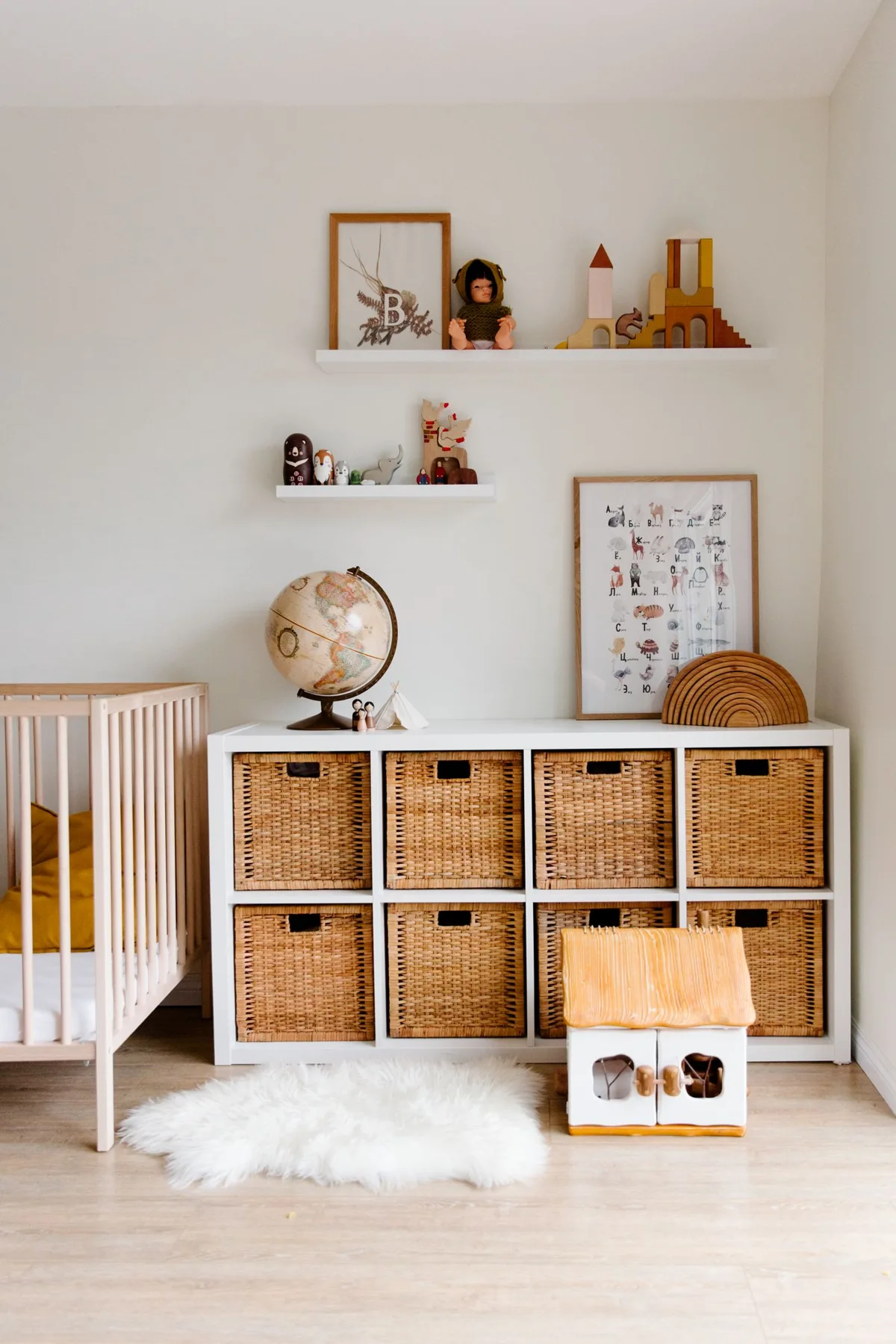
Write the category before choosing a sign
A storage label should explain a real group, not create a reason to fill a compartment. Begin with the actual contents and their suitable destination. Write a plain working category on suitable separate paper before shopping for a decorative permanent sign.
The temporary reference should follow the furniture and contents requirements. Do not attach an unfamiliar adhesive or modify a surface merely to make the trial look complete. A clear separate note can test the wording without changing the product.
Use words people already understand
Choose an ordinary description of the current role. A broad label such as useful things can become a catch-all, while a private nickname may mean nothing to another household user. Name what genuinely belongs in the group and keep the phrase modest enough to read in the ordinary view.
If two categories overlap, choose the actual main destination before decorating the labels. Duplicating a vague category on several boxes can make objects harder to find even when the display looks coordinated.
Check the meaning through a real return
Ask the responsible household user where an actual retained item belongs using the proposed wording. If they choose another group, discuss which part of the label or category was unclear. That conversation is more useful than assuming they failed to follow a system understood by only one person.
Keep the distinction between readiness and identity explicit. A label should not imply that every item inside has completed its relevant care or condition checks. Give anything awaiting attention an appropriate next action instead of hiding it behind a current category.
Observe the ordinary reading view
Look at the working label where it would genuinely be read, with the actual door or opening arrangement. Decorative lettering can seem clear close up while the category is hard to distinguish during normal use. Simplify the words before buying another holder or a more elaborate sign.
Preserve necessary product identity separately where it matters. A category name does not replace instructions or establish that unfamiliar containers or contents share the same requirements.
Decide whether a permanent sign adds value
After the current wording serves ordinary use, decide whether another suitable label product is actually needed. A simple temporary reference may be enough, especially when the group changes. A permanent decorative sign should follow a stable useful role rather than force the household to preserve an obsolete category.
What if the contents repeatedly expand beyond the label? Revisit their missing destinations before buying a larger sign. What if the words need frequent correction? Keep the arrangement flexible. A considered paper-label trial makes the household meaning clear before appearance and permanence become another purchase decision.
Related reading
Leave Pantry Container Space for Readable Labels, Give a Wardrobe Shelf One Clear Folded Clothing Group.