Keep an Outfit Reference Note for a Repeated Household Plan
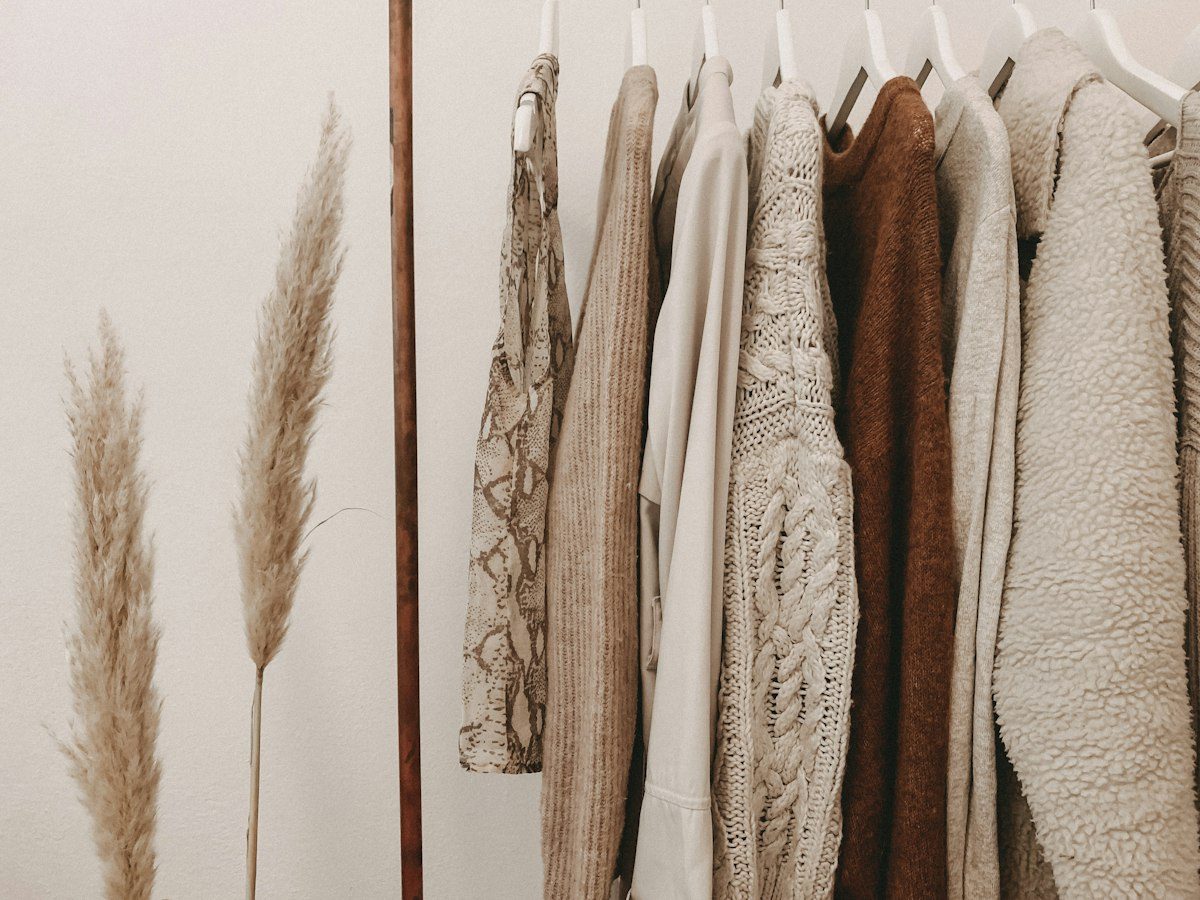
Choose the repeated plan first
An outfit reference can be useful when the same ordinary activity regularly creates an unnecessary selection task. Begin with the actual plan and the person's needs, then identify suitable retained pieces already used for it. A household routine should not be built around reproducing a fashion photograph.
Keep the note personal. The aim is a clear reminder for one real situation, not a universal rule about how someone should dress or a fixed formula that ignores changing circumstances.
Name the actual pieces
Use dependable descriptions that distinguish the retained garments and suitable accessories. A broad note such as the pale top can become ambiguous when several similar objects share the wardrobe. Preserve the specific identity where it matters to a care, condition or replacement question.
Do not infer material or suitability from appearance alone. A coordinated image may help recognition but cannot establish that another garment with a similar outline serves the same person or activity.
Keep the ordinary sequence visible
Consider the actual stages the outfit needs to serve, including any appropriate layer change. A useful arrival view may not describe the indoor part of the plan. Keep each piece's real role clear rather than adding accessories simply because the note has room for another detail.
If the activity changes, revisit the suitable group. A recurring plan can remain recognisable while the person's needs or relevant conditions call for another appropriate choice. The reference should support that decision rather than act as an obligation.
Separate identity from readiness
A saved outfit is an idea, not proof that each component is ready today. Follow the actual garments' care information and keep unfinished stages explicit. An item awaiting attention should not appear ready merely because it belongs to a familiar combination.
Where another adult helps with clothing return, explain the actual current group and destination. A private colour order or saved photograph should not silently communicate an entire household task that has never been agreed.
Review the reference after real use
Keep the combination if it serves the actual activity and preference. If one part repeatedly creates difficulty, name the specific question before buying a replacement. The missing step may be care, identity or a different retained pairing rather than a new product.
What if the note no longer represents the person's real week? Retire or revise it without treating the change as a failed system. What if a simpler outfit serves the plan better? Preserve that useful result. A considered outfit reference keeps one ordinary decision understandable while leaving the retained wardrobe flexible and suitable for real life.
Keep only the context that actually helps. A small clear reminder should not become a catalogue of theoretical combinations that adds more selection work than the original routine required.
Related reading
A Seasonal Wardrobe Handover Without a Weekend of Chaos, Give a Wardrobe Shelf One Clear Folded Clothing Group.